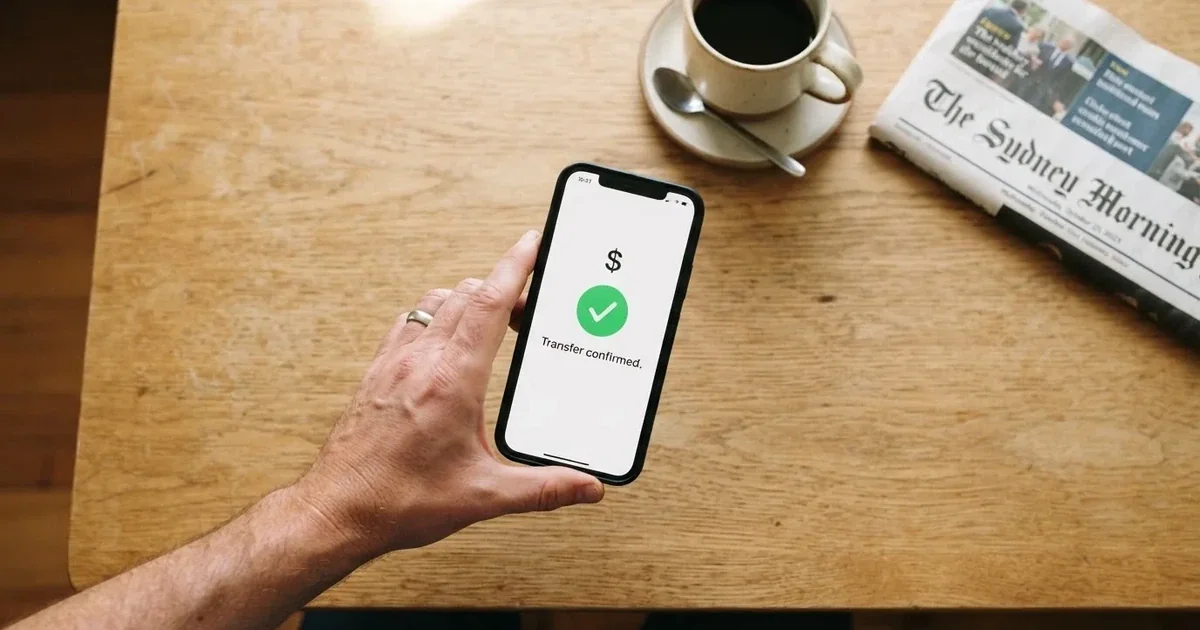
A $10 minimum deposit at an online casino: why the offer is misleading
 Available in US
Current as of 23 September 2026 and cross-checked against the Australian Communications and Media Authority’s register of formal warnings and blocking requests.
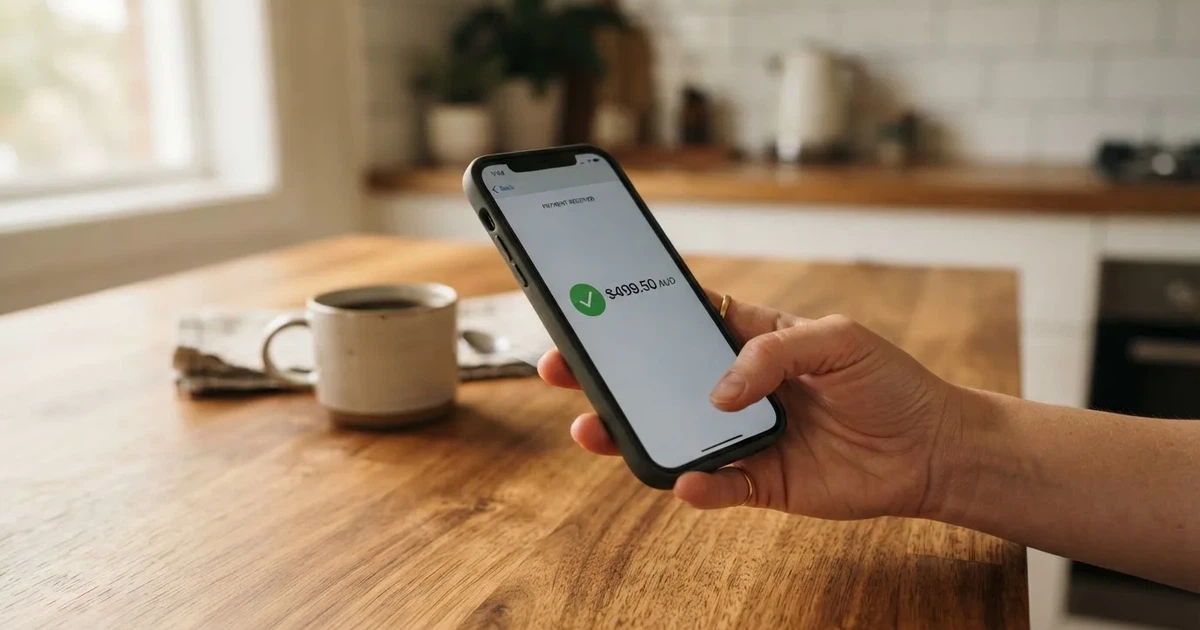
A $10 minimum deposit at an online casino sounds like a small, sensible commitment — pocket money for a flutter on the pokies, the sort of stake a punter might slip into a poker machine at the local club. In Australia the headline figure is the wrong end of the telescope. No state or territory licenses online casino games at all, under the Interactive Gambling Act 2001, so any site quoting a $10 minimum is an offshore operator of the kind the ACMA warns Australians about. The arithmetic the marketing copy skips past is the legal one: how much protection the $10 buys, who is on the other end of the PayID, and what happens when the site disappears from the Australian internet overnight.
That makes a $10 minimum deposit casino less a category of product and more a description of a marketing front. The page below lays out what the $10 is actually buying, why no Australian-licensed operator runs one, what the ACMA has done to the offshore brands that do, and where a player who wants the same thing legally can find it on foot.
Table of Contents
- The shape of the $10 deposit market in Australia
- Legality and regulation under the Interactive Gambling Act
- Responsible gambling and player protection
- Payments and how a $10 would actually clear
- How the block list has grown
- Brands the ACMA has acted against
- The legal, land-based alternative
- What a reader should weigh
- Frequently asked questions
The shape of the $10 deposit market in Australia
The phrase “$10 minimum deposit casino Australia” describes an offer, not an industry. Every site running under it sits outside Australia, licensed by a jurisdiction that does not require an Australian licence to take Australian deposits. The minimum is the marketing edge: small enough that it feels throwaway, low enough to slip under the kind of bank-level gambling block that fires on heftier amounts, and just high enough to clear most card authorisation floors. A handful of crypto-first operators push the floor even lower — $5, sometimes $10 in USDT — and present the small amount as if it were a feature rather than a tell.

What the $10 actually buys is access to the same offshore game catalogue every other offshore casino sells: slots, live dealer tables, the occasional crash or instant-win game, and bonus terms structured to keep the deposit moving through the wagering requirement long after the player has forgotten the original stake. The shape of the offer is standard across the sector because the suppliers are standard. Most of these sites run on the same handful of white-label platforms, with the same studios behind the games and the same payment aggregators routing the deposits. The brand is the variable; the mechanics are not.
For an Australian player the practical effect is that the $10 is the cheapest available entry to a product that is otherwise identical to a $200 deposit — and that the cheapest entry is also the one with the least margin for error. A $10 balance with a 40x wagering requirement on a 96% RTP slot leaves roughly $3.84 of expected loss across the playthrough. The same arithmetic on a $200 deposit multiplies out to $76.80. The percentage is identical; the dollar cost grows with the stake. The marketing leans on the smallness to soften the math; the math does not get smaller with it.
The category has also drifted away from what “minimum deposit” used to mean. A decade ago the term named a bankroll-friendly floor at a licensed operator — Stars, 888, a regional brand — where the lowest denomination credit card deposit cleared without a surcharge. The licensed online casino market that the phrase described has, in Australia, never existed, and the unlicensed market that picked the phrase up has spent the intervening years stripping it back to a sign-up lure.
Why the headline is misleading
The minimum deposit is the smallest amount the operator will accept. It says nothing about the smallest amount the player can withdraw, the smallest amount that survives the playthrough, or the smallest amount the bank will let through. A $10 deposit that lands behind a 50x wagering requirement on a bonus the player had to opt into becomes a $500 turnover target, after which the withdrawal floor often sits at $20, $50 or $100 — whichever figure turns the leftover balance into one the player leaves in the account. The minimum deposit is the entry price; the actual cost is the terms that come with it.
Legality and regulation under the Interactive Gambling Act
The Interactive Gambling Act 2001, as tightened by the Interactive Gambling Amendment Act 2017, makes it an offence to supply online casino games, online pokies or in-play betting to a person physically in Australia. No state or territory issues a licence for those products. What is licensable is wagering on races and sport placed before the event, lotteries, and keno — products regulated by state and territory bodies, with online wagering licensed for tax reasons through the Northern Territory Racing and Wagering Commission.
The NTRWC regulates 52 of Australia’s online bookmakers, including Sportsbet, Bet365 and Ladbrokes, and runs with no full-time staff, meeting once a month in Darwin. The commission is a tax-collecting body for a Territory economy, not a consumer-protection regime for the player. The licence a bookmaker displays is a licence to take a wager on a pre-event outcome; it does not extend to casino games, slots or live dealer tables, and the ACMA has been explicit about that line in its enforcement notices.
The asymmetry at the heart of the offer is the difference between “licensed” and “licensable.” A casino brand displaying a Curaçao or Anjouan licence is licensed to operate from that jurisdiction; it is not licensed to take an Australian deposit, because the Australian licence does not exist. Reading the footer of the homepage for a regulator’s seal does not establish that the seal covers the transaction. It establishes that a regulator somewhere has issued a number; the open question — what that regulator can do for an Australian player whose withdrawal is refused — is the one the footer does not answer.
What the ACMA actually does
The Australian Communications and Media Authority is the enforcement body for the IGA. It investigates complaints, issues formal warnings, refers matters for civil penalty proceedings, and directs Australian internet service providers to block illegal sites. By the end of the round reported in June 2026 the ACMA had asked ISPs to block 1,751 illegal gambling and affiliate marketing websites since the first blocking request in November 2019, and more than 230 unlicensed gambling services had left the Australian market since enforcement was strengthened in 2017.
A single round can move a dozen sites at once. The round reported on 26 June 2026 added 7Signs, ChromaBet, Donbet, Duospin, Freshbet, Slots Gem, Jacks Club, Lucky Start, Pointsbetz.com, Spinrise, Vinyl Casino and Wildsino to the block list. The action is administrative rather than criminal; the individual player is not prosecuted. The operator is. The site can be blocked with player balances still on it, and the ACMA does not hold those balances — it stops the site from being reached from an Australian IP.
H2 Gambling Capital’s 2026 estimate of the offshore market
H2 Gambling Capital’s 2026 report estimates that Australians lose about A$3.9 billion a year to illegal gambling sites, and that the share of gambling going through legal channels fell from 74% in 2021 to 64%. The drop is partly the licensed bookmakers losing share to the same offshore casinos the ACMA is blocking, and partly the licensed product set being narrower than what the offshore market sells. The estimate is the most-cited figure for the size of the problem, and it is also the figure the ACMA’s enforcement work is, in dollar terms, attempting to bring down.
Penalties for licensed operators
The credit-card ban under the Interactive Gambling Act took effect on 11 June 2024 and carries penalties of up to $247,500 per breach for licensed operators. Crypto was added to the same prohibition list. The list of accepted payment methods for licensed Australian wagering is short and specific: debit card, bank transfer, PayID and Osko, and BPAY. A licensed operator asking an Australian customer for a credit card or a Bitcoin deposit is operating outside its licence; the same operator on a debit-card deposit is operating inside it. The payment rail is the test.
Responsible gambling and player protection
The legal alternative to an offshore casino is not nothing. A player who wants the closest thing to a $10 stake on a pokie can walk up to one in a licensed pub or club in any state or territory, and the minimum age for entry is 18. The machine is regulated, the venue is licensed, the game is tested, and the payout is paid on the floor. The marketing does not promise anything on the way in. That is the practical upside.
What the legal framework also offers, and what no offshore casino does, is a complaints body and a self-exclusion register. The National Self-Exclusion Register, BetStop, has been live since August 2023 and binds every Australian-licensed online and phone wagering service. A punter who registers with BetStop is excluded across the licensed bookmaker market; the registration is the strongest single safeguard the legal framework offers. The register does not extend to offshore operators — a casino not licensed in Australia is not connected to BetStop, and a self-exclusion request sent to one is a request to a counterparty that has no obligation to honour it.
The National Gambling Helpline, 1800 858 858, is free, confidential and available 24 hours a day. Web chat is available through Gambling Help Online. The lines are not crisis lines in the psychiatric sense; they are staffed by people who understand the gambling-specific side of harm and who can route the caller to financial counselling, mental health support, or a face-to-face session. The number is the same from any Australian state or territory.
Where offshore operators fall short on protection
The structural problem with an offshore casino, from a player-protection standpoint, is not that the games are unfair. Most are supplied by the same studios the licensed market uses. The problem is the absence of a regulator with jurisdiction over the operator’s treatment of the player. The Curaçao or Anjouan licence is issued by a body that does not mediate disputes for Australian customers. The affiliate marketing site that recommended the casino is not a complaints body. The card-issuer’s chargeback process is the only recourse, and it is a recourse designed for fraud and unauthorised transactions, not for “the bonus terms changed after I deposited.”
The offshore model also undercuts the player’s own harm-reduction tools. The bank-level gambling block on a CBA, ANZ or Westpac card is a credit- and debit-card-level refusal of transactions tagged with the Betting/Casino Gambling merchant category code. The block fires before the deposit reaches the merchant; it does not catch a crypto transfer to a wallet the bank does not see, and it does not reach into a credit balance the player has already accumulated. A player using an offshore site for a $10 deposit has stepped outside the perimeter of every Australian safeguard built around the transaction.
Payments and how a $10 would actually clear
For the licensed products that do take Australian deposits — online wagering, the lottery, keno — the payment rails are bank transfer, PayID, Osko, BPAY and debit card. The same rails are what an Australian would reach for at an offshore site if the site chose to accept them, which most do not. The site that ships a $10 minimum deposit is, in practice, asking for one of three things: a card transaction, a crypto transfer, or a voucher-style payment from a third-party processor. Each one has its own Australian angle.
Bank transfer, PayID and Osko
Osko, the instant-transfer service on Australia’s New Payments Platform, sends a bank transfer between participating banks in under a minute, 24/7 including weekends, to either a BSB and account number or a PayID. The NPP became accessible to the public on 13 February 2018, is owned by New Payments Platform Australia Ltd — whose 13 shareholders include the Reserve Bank of Australia and the country’s major banks — and has its monthly outages capped at two minutes by the platform’s own rules. More than 25 million PayIDs had been registered on the platform by April 2025, across over 100 Australian financial institutions.
Paying to a PayID shows the name of the account holder before the transfer is sent. AP+, the operator behind PayID and Osko, warns that being asked to transfer money to a PayID on an illegal gambling site almost certainly means a scam site — the warning is published on the PayID site itself. The transfer would clear in under a minute either way; what the name-check does is convert the clearing time into a chance to walk away.
Card payments and the surcharge question
The Reserve Bank of Australia’s July 2025 review proposes removing surcharges on eftpos, Mastercard and Visa transactions and explicitly leaves American Express outside the proposed ban. Amex is a three-party network — it issues cards and processes the transaction itself — rather than the four-party model Visa and Mastercard run, and the RBA has not lined up Amex behind the surcharge cap. The cap, when it lands, will not apply to Amex-issued cards; for the moment, a surcharge on an Amex card at an Australian merchant is whatever the merchant decides it should be, capped only by what Amex’s own rules permit.
Card payments at an Australian-licensed online bookmaker must run on a debit card, not credit. The credit-card ban, in force since 11 June 2024, makes credit and credit-related products unusable for licensed wagering, and the same rule extends the practical block to digital wallets like Apple Pay when the underlying funding instrument is a credit card. The licensed operator’s accepted-payment list, debit-card and bank transfer, is what the IGA leaves it room to take.
Mobile wallets
By the end of 2025, Apple Pay, Google Pay and Samsung Pay collectively accounted for around 45% of all card payments in Australia by number. None of the three charge consumers a fee to use the wallet — Apple, for instance, charges no fee to consumers for Apple Pay in stores, online or in apps, with any surcharge coming from the merchant’s own card-processing fees. Transaction limits and PIN requirements are set by the card issuer or merchant, not by Apple. The wallet is a tokenised front end for an underlying card; what the wallet does at a gambling merchant is whatever the underlying card would do, and what an ANZ gambling block does at the wallet level is block the gambling transaction at the funding card.
BPAY
BPAY is a bill-payment service that lives inside Australian online banking. The payer enters the Biller Code and the Customer Reference Number printed on the bill. BPAY has operated in Australia since 1997, is available in the online banking of over 140 banks and financial institutions and is offered by over 95,000 businesses. It is run by Australian Payments Plus, the same operator as PayID and Osko, and is owned equally by ANZ, Commonwealth Bank, National Australia Bank and Westpac through the Cardlink Services Limited parent. The ACCC authorised the merger that created AP+ in September 2021. BPAY is a bill-payment rail, not a wallet: the operator billed has to be a BPAY-registered business, and an offshore casino is not one.
AUSTRAC and the $10,000 threshold
AUSTRAC’s threshold-transaction-report rule, which requires reporting of transfers of A$10,000 or more, applies only to physical cash. Ordinary electronic bank transfers are not subject to the per-transaction reporting requirement, regardless of the amount. The $10 minimum deposit on an offshore site, paid by bank transfer or card, sits well under any reporting threshold; the rule that catches large cash movements does not extend to electronic gambling deposits, and the compliance load on a $10 transaction is the merchant’s, not the customer’s.
What a $10 transfer looks like end to end
A player at a licensed Australian bookmaker depositing by PayID: tap deposit, enter the PayID, the account-holder name appears, enter $10, confirm. The money clears in under a minute; the bank statement shows the merchant name and the amount; the gambling block on the card either fires (no charge) or does not (charge goes through). The receipt is a row on the bank statement. The receipt is the same receipt the player would have if the merchant had been a plumber.
A player at an offshore casino depositing by the same shape: the casino does not accept PayID. The casino asks for a card, a crypto wallet or a third-party voucher. The bank block may or may not fire; the casino’s payment processor routes the transaction through a non-Australian merchant category code, which is how the bank block misses it. The receipt on the bank statement shows a merchant name that does not match the casino brand. The audit trail between the deposit and the game balance is held by an entity in a jurisdiction the player cannot litigate in.
How the block list has grown
The blocking-rate picture is the cleanest available measure of how the $10 minimum-deposit market in Australia has actually behaved. The ACMA started asking ISPs to block illegal sites in November 2019; by the end of the round reported in June 2026 the running total sat at 1,751 websites, with 12 more added in that single round — 7Signs, ChromaBet, Donbet, Duospin, Freshbet, Slots Gem, Jacks Club, Lucky Start, Pointsbetz.com, Spinrise, Vinyl Casino and Wildsino. Worked as a rate, that is roughly 263 sites blocked per year on average across the period from November 2019 to June 2026, and roughly 1,751 sites blocked per the years the ACMA’s blocking programme has been running, with the rate drifting upward in 2026 as the enforcement tempo has held.
The figure sits as a band rather than a single number. Per working year since November 2019, the rate is about 263; across full calendar years it sits closer to 250; the 12-site single round is the most recent example of the per-month pace, which the long-run average implies should sit somewhere between one and two sites per working day. The exact figure moves with the next round; the band the figure lives in does not.
The more telling rate sits one step down. The ACMA reports that more than 230 unlicensed gambling services have left the Australian market since enforcement was strengthened in 2017. That is a different list from the block list: services that withdrew of their own accord, were warned off, or wound down after the ACMA started asking questions. The 230 figure covers seven years of enforcement work; the 1,751 figure covers just over six years of blocking, starting in November 2019. The two figures together describe a market that is being thinned out, in dollars, by enforcement, even as the underlying demand — H2 Gambling Capital’s A$3.9 billion a year — stays roughly where it was.
Brands the ACMA has acted against
The eleven brands below are not a ranking and not a recommendation. Each one is named because the ACMA itself issued a formal warning over it for offering prohibited online casino services to Australians. The columns give the ACMA action, the operator the warning named, and the support the listings research surfaced for that brand’s subject area. Where the listings carry nothing usable, the cell is left blank rather than filled in with a guess.
| Brand | ACMA action and date | Operator named by the ACMA | Subject support |
|---|---|---|---|
| RocketPlay | Formal warning, March 2026 | Pulsup Ltd (Rocketplay.com.au); earlier Dama N.V., May 2022 | Listed by Gamblinginsider.com |
| Level Up Casino | Formal warning, May 2022 | Dama N.V. | Surfaced on a Westpac gambling-block reference |
| Woo Casino | Formal warning, March 2025 | Dama N.V. | — |
| Spirit Casino | Formal warning, May 2025 | Dama N.V. | — |
| National Casino | Formal warning, July 2025 | Consolutetish S.R.L. | Mentioned on the ACMA site, AUSTRAC materials and BetStop |
| Bizzo Casino | Formal warning, July 2025; earlier 2022 | Consolutetish S.R.L. (2026); TechSolutions (CY) Group and TechSolutions Group N.V. (2022) | Listed by Gamblinginsider.com |
| Ignition Casino | Formal warning, July 2025 | Bamboo Media | — |
| Instant Casino | Formal warning, February 2025 | EOD Code SRL | Referenced by ecoPayz and PayID materials |
| Jackbit | Formal warning, April 2026 | Ryker B.V. (covering Jackbit and CasinOK) | — |
| Casino Intense | Formal warning, April 2025 | Sterplay Holding Ltd | Mentioned on AUSTRAC materials, BetStop and Gamblinginsider.com |
| Sky Crown | Formal warning, September 2022 | Hollycorn N.V. (covering Sky Crown and Blue Leo) | — |
Three of the operator names recur across the list. Dama N.V. has had formal warnings covering six brands — Bambet, Dazard, Level Up, Rocketplay, Wild Tornado and Cobra Casinos in May 2022, then Woo Casino in March 2025 and Spirit Casino in May 2025. TechSolutions has had two: the 2022 warning covering Bizzo Casino, and the 2025 warning re-issuing the same case against Consolutetish S.R.L. as the operator. Hollycorn N.V. covered Sky Crown and Blue Leo under one warning. The pattern is the same in each case: the operator changes, the brand changes, the prohibited product stays the same.
RocketPlay
RocketPlay is the most recently named entry, with a formal warning issued in March 2026 naming Pulsup Ltd as the operator of Rocketplay.com.au. An earlier warning in May 2022 had covered the same brand under Dama N.V. The fact record places the latest action as the current one; the brand is also the only one in this set where the ACMA’s case carries two distinct operators over four years. The mismatch between the operator on the warning and the operator on the footer is the practical reason the formal-warning mechanism exists: the brand outlasts the entity behind it, and the regulator’s case has to follow whichever entity is on the other side when the case is opened. RocketPlay surfaces in the affiliate listings research covered; the broader coverage it does not have is the regulator’s.
Level Up Casino
Level Up Casino sits on the original Dama N.V. warning from May 2022, which also named Bambet, Dazard, Rocketplay, Wild Tornado and Cobra Casinos. The brand was new to the Australian offshore market at the time and was one of the six Dama N.V. was warned about in the same notice. None of the six has since been relicensed under an Australian framework, because no Australian framework exists; the warning is a record that the ACMA opened a case and resolved it with a warning, not a record that the brand withdrew.
Woo Casino
Woo Casino was named in the March 2025 formal warning to Dama N.V. — the same operator-level case that covered Spirit Casino two months later and the 2022 cohort of six brands three years earlier. Woo Casino does not appear on the listings the subject-research was able to verify; the ACMA’s case remains the definitive document of its local activity.
Spirit Casino
Spirit Casino came onto the ACMA’s list in May 2025 under the same Dama N.V. operator-level case as Woo Casino. The warning is the public record; the brand’s marketing footprint in Australia is the gap.
National Casino
National Casino was named in the July 2025 formal warning to Consolutetish S.R.L., alongside Bizzo Casino. The brand surfaces in the ACMA’s own published material, in AUSTRAC’s threshold-transaction-report guidance and on BetStop — a combination that puts it across more of the compliance perimeter than any other brand in this set. National Casino is the brand most likely to be flagged by a player’s own bank, self-exclusion check or AUSTRAC reporting tool without any of those checks having been prompted.
Bizzo Casino
Bizzo Casino’s case is the longest in the set. The July 2025 formal warning to Consolutetish S.R.L. was the second time the brand had been warned; the first was in 2022 to TechSolutions (CY) Group Limited and TechSolutions Group N.V. The repetition is the headline: the brand kept operating to Australians across a three-year gap, the regulator came back with a second warning under a new operator, and the brand kept its marketing presence in between. Bizzo Casino is listed by Gamblinginsider.com; it is also one of the brands a player is most likely to have seen advertised in Australia over the period the warnings cover.
Ignition Casino
Ignition Casino was named in the July 2025 formal warning to Bamboo Media, alongside no other brand in the same notice. The operator name is the one the ACMA acted on; the brand does not appear in the listings the subject-research surfaced. The case is recent and the operator is local to a different market.
Instant Casino
Instant Casino was named in the February 2025 formal warning to EOD Code SRL. The brand shows up in the ecoPayz and PayID materials, which means it sits on the perimeter of Australia’s own payment-rail guidance — a positioning that tends to produce player complaints, since the brand is asking for a payment method the Australian guidance is itself warning against.
Jackbit
Jackbit was named in the April 2026 formal warning to Ryker B.V., alongside CasinOK. The brand does not appear in the affiliate listings the subject-research identified; the ACMA’s formal warning stands as the sole public evidence of its Australian operations.
Casino Intense
Casino Intense was named in the April 2025 formal warning to Sterplay Holding Ltd. The brand surfaces on AUSTRAC’s threshold-transaction-report guidance, on BetStop’s exclusion register and on Gamblinginsider.com — the broadest presence in the lawful-marketing perimeter among the brands that have only one formal warning against them.
Sky Crown
Sky Crown was named, alongside Blue Leo, in the formal warning to Hollycorn N.V. published by the ACMA in September 2022. The brand is absent from the affiliate listings the subject-research searched, leaving the ACMA’s published PDF as the only available regulatory reference.
What the table tells the reader
The eleven brands share one legal position: each has been the subject of an ACMA formal warning for offering online casino games to Australians, which is the prohibited product under the IGA. The operator names are different in most cases — only Dama N.V. recurs, and it recurs across three separate warnings over four years covering nine different brands. The support column tells a reader what other Australian-facing records exist for the brand beyond the ACMA’s warning; a dash means the subject research surfaced none. A reader who sees a brand on this list should treat the marketing level as the most recent of the layers the regulator has reached, not as the full picture.
The legal, land-based alternative
The legal alternative to a $10 deposit at an offshore casino is the licensed poker machine in a pub, club or casino. Every state and territory regulates the machines. The minimum age is 18. The games are tested, the venues are licensed and the payout is paid on the floor in cash. A $1, $2 or $5 minimum bet is standard at the lower-stakes machines; the maximum stake and maximum prize are set by state regulation, not by the operator. A punter who walks into a Crown casino in Melbourne, a Star in Sydney, or any one of the licensed clubs in between is in the part of the market the IGA does not touch.
The licensed bookmaker market is the parallel alternative for the racing and sports side of the wagering ledger. The same NTRWC-licensed operators taking pre-event bets by debit card and PayID are taking the sort of small-stake deposits the offshore casino advertises. The product is narrower — no slots, no live dealer, no progressive jackpots — and the consumer protection is broader: BetStop binds the licensed operators, AUSTRAC’s reporting regime covers them, and the credit-card ban applies to them. The licensed bookmaker is what the offshore casino’s marketing material is borrowing the language of “minimum deposit” to describe.
The retail alternative is the only place the $10 stake produces the same kind of outcome the offshore casino promises. The licensed machine pays out the same day; the offline market has no wagering requirements, no bonus terms, no max-cashout cap and no balance left on a server in a jurisdiction the player cannot reach. It also does not advertise a “minimum deposit” — the cost is the stake, the payout is the payout, and the only standing balance is the cash in the player’s pocket.
What a reader should weigh
Three questions cut across the legal and the practical. The first is whether the deposit will land. An offshore site that takes Bitcoin and USDT is asking the player to convert the $10 into a crypto balance, send it to a wallet address the player has no reason to trust, and convert it back if a withdrawal is honoured. Each conversion carries a fee and a rate spread; the bank statement the player would use to check the conversion does not exist for a crypto payment. The second is whether the deposit will leave. The terms research did not name a working withdrawal method for the brands the ACMA has warned, because no Australian-facing operator has published terms the Australian regulator can stand behind. The third is whether the deposit will be there tomorrow. The site can be blocked overnight with player balances on it, and the ACMA does not hold the balances — it stops the site being reached from an Australian IP.
The legal alternative is duller but answers all three. A licensed poker machine in a pub or club takes cash, pays cash and runs on a regulator’s hours the venue operates within. A licensed bookmaker takes a PayID or a debit-card deposit, returns the winnings to the same instrument, and is bound by BetStop. The deposit size is the deposit size the venue accepts; the protection is the protection the Australian framework provides.
Frequently asked questions
Can I actually deposit $10 at a licensed Australian online casino?
No. Online casino games and online pokies cannot be licensed anywhere in Australia under the Interactive Gambling Act 2001. No state or territory issues a licence for them. A site quoting a $10 minimum is an offshore operator; the Australian licence it may display is from a different jurisdiction and does not cover Australian players.
Why do so many sites advertise a $10 minimum deposit for Australian players?
The low minimum is a marketing edge: small enough to feel throwaway, low enough to clear most card authorisation floors, and a useful counter to the bank-level gambling blocks that fire on larger amounts. It is also the cheapest entry to a product line that does not exist in the licensed Australian market. The deposit size is the variable; the prohibited-product status is the constant.
How would a $10 bank transfer normally clear if it were sent through Osko?
Osko sends a transfer between participating Australian banks in under a minute, 24/7 including weekends, to either a BSB and account number or a PayID. Paying to a PayID shows the account holder’s name before the transfer is sent. AP+ warns that being asked to transfer money to a PayID on an illegal gambling site almost certainly means a scam site — the warning is on the PayID site itself.
Is a $10 deposit at an offshore casino covered by any Australian consumer protection?
No. The IGA’s enforcement targets the operator, not the player. The Australian licence a casino brand may display is from a different jurisdiction and does not extend to Australian consumer protection. BetStop does not bind offshore casinos, and the bank’s gambling block may or may not catch the transaction depending on how the merchant is registered. The only practical recourse is the card-issuer’s chargeback process.
What is the legal, land-based alternative to a $10 deposit online casino in Australia?
The licensed poker machine in a pub, club or casino. Every state and territory regulates the machines; the minimum age is 18; the games are tested; the venues are licensed. The licensed bookmaker market is the parallel alternative for wagering on races and sport, with deposits by debit card, bank transfer, PayID, Osko and BPAY, and BetStop binding across the licensed operators.
Which Australian law makes real-money online casino play illegal regardless of the deposit size?
The Interactive Gambling Act 2001, as tightened by the Interactive Gambling Amendment Act 2017. It makes it an offence to supply online casino games, online pokies or in-play betting to a person physically in Australia. The size of the deposit is not part of the test; the act of supplying the prohibited product is. The ACMA enforces the Act; the individual player is not prosecuted.
Prepared by the Crypto Casino Hub AU editorial staff.