
What “Instant Withdrawal” at Online Pokies Means in Australia in 2026
The phrase travels well in search results. An Australian punter types in something close to “online pokies instant withdrawal” and a page returns promising the money lands before the screen cools. That promise is doing two things at once: it sells speed, and it papers over the legal position that no offshore casino offering online pokies to Australians carries an Australian licence. Any reader who reaches this page deserves to see both halves of that equation before deciding what to do with the claim. What “Instant Withdrawal” at Online Pokies Means in Australia in 2026 — More on this topic at crypto casino au .
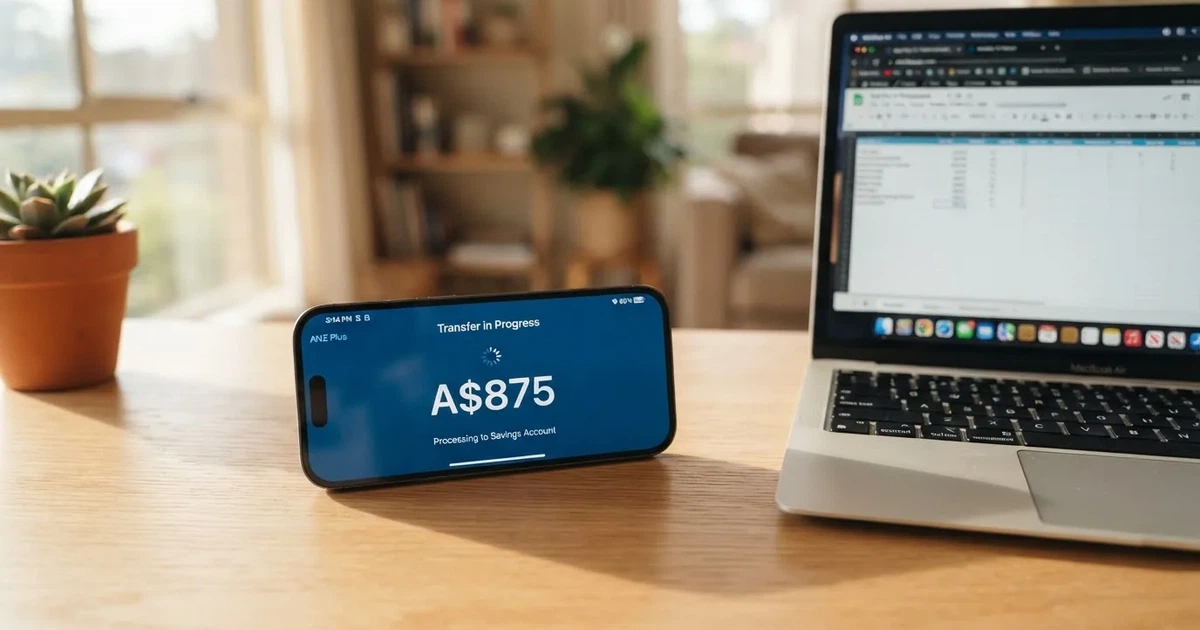
This page walks through the landscape as it actually stands in 2026. It sets out the offshore sites that have advertised instant PayID or instant bank payouts to Australians, the regulatory record behind each one, and the ACMA’s enforcement pattern. It is not a route to any operator, and it is not a guarantee that any advertised payout time holds. It is a description of what the market is doing and what the law says about it.
Current as of 29 October 2026, with ACMA formal-warning publications and blocking-round notices checked against the Australian Communications and Media Authority register.
Where the Claims Sit in the Australian Market
Online pokies — the internet version of the poker machine — cannot be licensed anywhere in Australia. The Interactive Gambling Act 2001, strengthened by the Interactive Gambling Amendment Act 2017, makes it an offence to provide online casino games or in-play betting to a person physically in Australia. Wagering on races and sport before the event can be licensed, lotteries and keno can be licensed, and the Northern Territory Racing and Wagering Commission is the body that oversees most of those bookmakers — fifty-two of them, including Sportsbet, Bet365 and Ladbrokes, all licensed in the Territory for tax reasons. The commission itself has no full-time staff and meets once a month in Darwin.

What that means in plain terms: any site that offers real-money online pokies to an Australian is doing so from outside the country. The licence it displays on its footer is a Curaçao, Anjouan or Kahnawake number, not an Australian one. The “instant” in its marketing pitch is a claim by an offshore operator about its own payment queue, made to a customer it is not legally entitled to serve.
The size of the market the prohibition leaves behind is not small. Australians bet almost A$150 billion through gaming machines in 2020–21 and lost A$12.18 billion on them. New South Wales alone counted 87,298 machines outside casinos across 2,195 venues in June 2023, with player losses of A$8.18 billion in 2022–23. Queensland had 21,122 machines across 351 venues in October 2023, and Victoria had 26,380 outside Crown Casino in 488 venues under a 30,000 statewide cap. These are the legal pokies. The illegal online market runs in parallel, and H2 Gambling Capital’s 2025 report estimates Australians lose about A$3.9 billion a year to offshore sites that do not hold an Australian licence — with the share of gambling going through legal channels falling from 74% in 2021 to 64%.
What the Search Promise Usually Hides
“Instant withdrawal” almost never means the second a withdrawal button is pressed. The marketing language points at the operator’s own queue, not at the rails that move the money. A PayID transfer in Australia settles through the New Payments Platform in near-real-time, which is what gives the phrase its bite: it is technically possible, the rail exists, and an offshore operator can legitimately advertise that it will release a withdrawal to a PayID identifier quickly. What they do not advertise is the step before that release — the verification, the source-of-funds check, the maximum-cashout clause, the bonus-wagering gate that has to be cleared first.
The first move any reader should make when an “instant withdrawal” claim lands in front of them is to ask which step the operator is talking about. The release of funds inside the platform? The PayID push to a bank account? The clearing of the bonus? The verification of identity? Different sites pick different steps, and the same site sometimes uses the phrase loosely across marketing pages.
The Prohibition and How It Is Enforced
The Interactive Gambling Act 2001 and Its 2017 Amendment
The IGA makes it an offence to provide certain interactive gambling services to customers physically in Australia. The 2017 amendment closed the loophole that had allowed online in-play betting and online casino games to be marketed here through overseas-licensed operators. What remained licensable was wagering on sporting events and races placed before the event, lotteries, and keno. Online casino games, online pokies, online scratchies and in-play betting sit on the prohibited side.
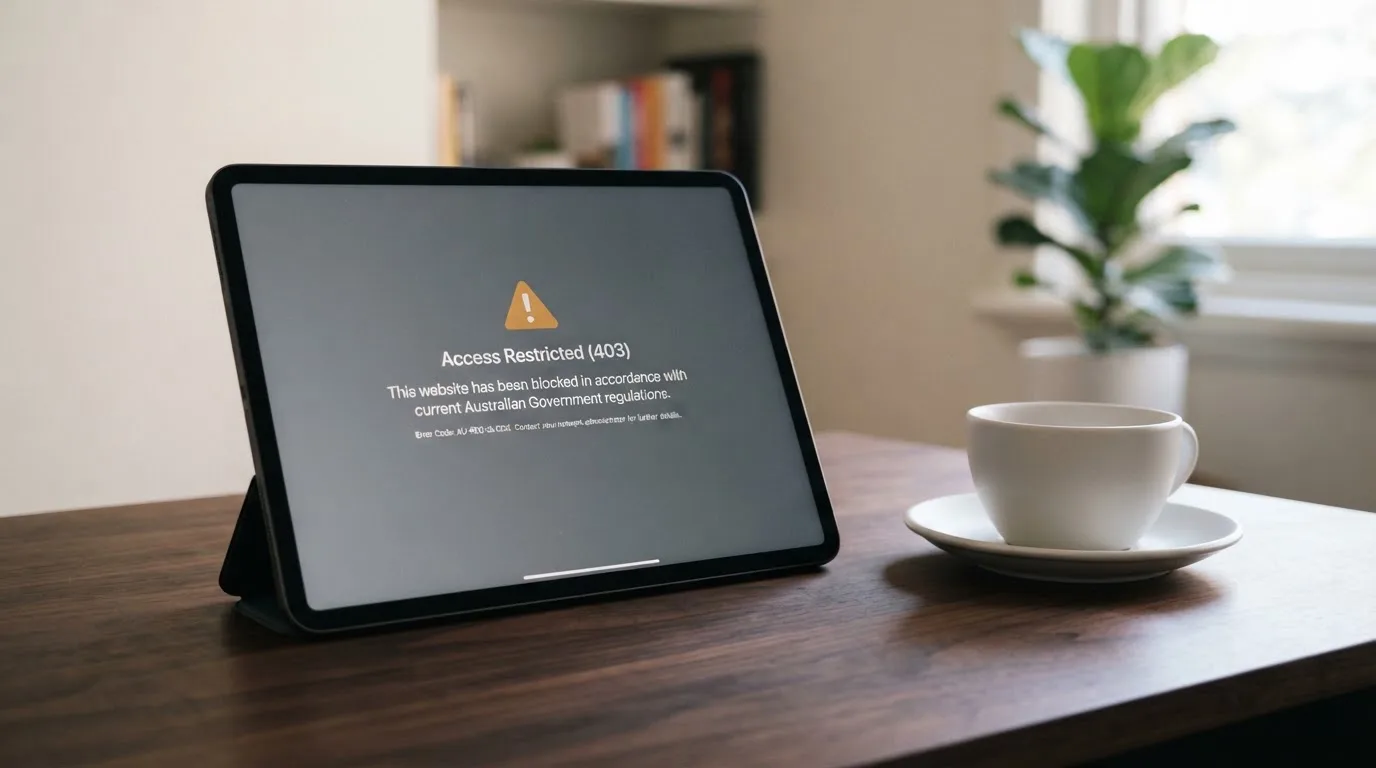
The target of the Act is the provider, not the player. No Australian punter is going to be charged for placing a bet through an offshore site. The cost of using one falls on the player in another shape: there is no Australian consumer protection, no complaints body to take a dispute to, and no guarantee that a withdrawal the site has accepted will actually be released. If the site is blocked mid-week, a balance still on the account is a balance that may not be retrievable.
The ACMA’s Blocking Record
The ACMA does not run the licensed market — it polices the unlicensed one. Its tools are formal warnings to operators, and formal requests to Australian internet service providers to block illegal sites at the network level. Since the first blocking request in November 2019, a total of 1,751 illegal gambling and affiliate marketing websites have been blocked under ACMA direction, and more than 230 unlicensed gambling services have left the Australian market since enforcement was strengthened in 2017.
The pace has not slowed. In a single round reported on 26 June 2026, the ACMA asked ISPs to block 12 more sites: 7Signs, ChromaBet, Donbet, Duospin, Freshbet, Slots Gem, Jacks Club, Lucky Start, Pointsbetz, Spinrise, Vinyl Casino and Wildsino. Each round adds a layer of pressure on the offshore operators that remain reachable.
Calculating the Blocking Rate
The arithmetic that matters here is the rate at which the ACMA’s blocking requests have accumulated. From November 2019 — the first blocking request — through to the 26 June 2026 round, 1,751 sites and affiliate pages have been blocked in roughly 80 months. That gives an average of about 22 blocked pages a month, or roughly one every 33 hours, across the period the regime has been in operation. The rate is not uniform — some months a single round blocks more than a dozen, others none — but the cumulative total puts the scale of the crackdown in view. Whatever an offshore operator promises about speed, it does so against a backdrop of monthly enforcement.
What a Formal Warning Actually Says
A formal warning under the Interactive Gambling Act is published on the authority’s website and names the operator behind the site, not just the brand. It records that the ACMA has found the service to be providing prohibited interactive gambling services to Australian customers, and it sets a date by which the operator is expected to cease. The site can carry on operating elsewhere; what the warning does is put the operator on notice, lay a public record, and feed into the case for blocking if the service continues.
This is the record the operator cards below draw on. Each brand in this ranking carries at least one ACMA formal warning, named in the authority’s own publication.
Responsible Play and Where Help Actually Lives
The page cannot describe a market of any size without saying plainly that the financial cost of pokies in Australia is large and the help available is real. In 2020–21, A$12.18 billion was lost on gaming machines. The legal channels the IGA protects sit alongside a public-health infrastructure that exists to help anyone whose gambling is no longer recreational.
BetStop, the National Self-Exclusion Register, has been live since August 2023. A person can register a self-exclusion that binds every Australian-licensed online and phone wagering service. An offshore casino is not connected to BetStop — that exclusion does not travel there — which is part of the practical consequence of using one. The exclusion works inside the licensed market, and that is the market the ACMA’s regime protects.
The National Gambling Helpline is 1800 858 858, free and open 24 hours. Chat is available through Gambling Help Online. State and territory bodies run their own counselling services as well. None of these services judge whether a person has played legally or illegally; they exist for the person who has decided they want to stop, or who wants to talk before they do.
If a reader has come to this page because a withdrawal is being held, or because an offshore site will not release a balance, those services are still the right place to call. They are not consumer-protection channels, but they will not turn a caller away.
Payments, PayID and the Speed of a Real Payout
What PayID Does, and What It Does Not
PayID is the Australian Payments Plus addressing layer that sits on top of the New Payments Platform and Osko. It maps a real-world identifier — a mobile number, an email address, an ABN — to a bank account. A PayID transfer between Australian banks normally clears in seconds, regardless of the time of day or whether it is a weekend.
What PayID does not do is compress the queue inside an offshore casino. A PayID payout is still subject to whatever delay the operator applies between a withdrawal request and the instruction it sends to the bank: an identity check, a source-of-funds check, a bonus-clearance gate, a maximum-payout cap, a manual approval step on weekends. The “instant” in “instant PayID withdrawal” is, in practice, a statement about the last leg of the journey only.
Where the Speed Claim Usually Lives
Three layers sit between a punter clicking “withdraw” and money landing in a bank account:
- The operator’s internal queue. This is where identity verification, bonus clearance, and any manual approval sit. Offshore casinos that advertise instant withdrawal are claiming this queue is short.
- The payment rail. For an Australian customer this is typically PayID, Osko, or a standard bank transfer. The rail itself is fast; PayID is fastest.
- The receiving bank. Once the funds are pushed, the receiving bank posts them. PayID and Osko usually show on the same day. A standard transfer can take longer.
The marketing claim targets layer one. A punter reading the claim should picture layer two as well: if the operator releases a withdrawal through a slow rail, the speed drops. If the operator’s queue is short but the rail is slow, the speed drops. The fastest legitimate combinations are short queue, PayID, Australian bank.
Why “Instant” and PayID Travel Together
The two phrases pair in marketing because they reinforce each other. PayID, in an Australian reader’s mind, already means fast. “Instant PayID withdrawal” is a way of saying the operator will not sit on the request once it is made. The combination is a sales device built on a real infrastructure — PayID is genuinely quick — and on a promise the operator makes about its own workflow.
That pairing is also the combination that the ACMA’s enforcement record most often turns up. Sites that advertise PayID payouts to Australians and that have received formal warnings are listed further down this page.
The Operators and the ACMA Record Behind Each
Eleven brands that have advertised instant or PayID-flavoured payouts to Australians appear on the ACMA’s register of formal warnings. Each card below names the operator behind the brand as the ACMA has published it, the date of the warning, and what the marketing claimed. The cards are ordered as the ACMA register orders them.
| Brand | ACMA action and date | Operator named by the ACMA | Subject support |
|---|---|---|---|
| RocketPlay | Formal warning, March 2026 | Pulsup Ltd | — |
| Level Up Casino | Formal warning, May 2022 | Dama N.V. | listings only — BGaming software provider |
| Woo Casino | Formal warning, March 2025 | Dama N.V. | — |
| Spirit Casino | Formal warning, May 2025 | Dama N.V. | — |
| National Casino | Formal warning, July 2025 | Consolutetish S.R.L. | listings only — Wikipedia catalogue entry |
| Bizzo Casino | Formal warning, July 2025; earlier 2022 | Consolutetish S.R.L.; earlier TechSolutions | — |
| Ignition Casino | Formal warning, July 2025 | Bamboo Media | — |
| Instant Casino | Formal warning, February 2025 | EOD Code SRL | — |
| Jackbit | Formal warning, April 2026 | Ryker B.V. | — |
| Casino Intense | Formal warning, April 2025 | Sterplay Holding Ltd | listings only — ABC, ACMA, Crown Melbourne reference |
| Sky Crown | Formal warning, September 2022 | Hollycorn N.V. | — |
RocketPlay
Pulsup Ltd took a formal warning in March 2026 over RocketPlay. The earlier operator behind the same brand, Dama N.V., was warned in May 2022 covering six casino brands — Bambet, Dazard, Level Up, Rocketplay, Wild Tornado and Cobra Casinos. The site is presented through an Australian-style domain while the operator behind it has shifted between two offshore companies. From a reader’s point of view, the warning’s substance is the same under either operator: the service is providing prohibited interactive gambling services to Australians. Whether the marketing currently advertises PayID, instant bank transfer or any other rail, the legal frame does not move with it.
The RocketPlay case is also a small example of how offshore operators move. Two companies have carried the same brand and received the same finding. That a marketing front can change behind a brand name is worth keeping in mind when reading any offshore site’s footer.
Level Up Casino
Dama N.V. took the May 2022 formal warning covering Level Up alongside five other brands. The brand’s software is supplied through BGaming, which the provider’s own catalogues list among the studios it serves. The Dama N.V. group is one of the most warned operators on the ACMA’s register — six brands in a single May 2022 action, then Woo Casino in March 2025 and Spirit Casino in May 2025 — and Level Up sits inside that wider pattern.
Woo Casino
Dama N.V. took a separate formal warning over Woo Casino in March 2025, more than two years after the group’s first cluster of warnings. The repeat appearance matters: an operator that has been warned, kept operating, and been warned again sits in a different enforcement posture from one warned once. The ACMA’s escalation pathway runs from warning to formal investigation to civil penalty proceedings to blocking, and the second warning is the visible step on that ladder.
Spirit Casino
Dama N.V. took a third warning in May 2025, this time over Spirit Casino. Three warnings to the same operator in roughly three years, across three different brands, gives the group’s footprint a scale that a single warning does not. The ACMA’s register treats each brand as its own service, and each warning as its own action — but the underlying operator is the same.
National Casino
Consolutetish S.R.L. took a formal warning over National Casino in July 2025. The brand has a Wikipedia catalogue entry that records the kind of metadata that aggregators collect. The ACMA’s warning is the part that matters for the reader. Consolutetish S.R.L. is the operator the authority names; what the brand’s marketing page says about its licence is something different, and it is the difference that defines this market.
Bizzo Casino
Consolutetish S.R.L. took a warning over Bizzo Casino in July 2025, but the brand has been on the ACMA’s record before — TechSolutions (CY) Group Limited and TechSolutions Group N.V. took a formal warning over Bizzo in 2022. The brand has now passed through three operators, with the ACMA finding in each case that the service is providing prohibited interactive gambling services to Australians. Two findings against the same brand, separated by three years and a change of operator behind it, is a longer enforcement tail than most of the cards on this page.
Ignition Casino
Bamboo Media took a formal warning over Ignition Casino in July 2025. Ignition is one of the older offshore brands in the Australian-adjacent market, having built its profile in poker-facing marketing channels rather than pokies. The ACMA’s warning makes the same finding about prohibited interactive gambling services that it makes against pokies-flavoured brands.
Instant Casino
EOD Code SRL took a formal warning over Instant Casino in February 2025. The brand name echoes the marketing phrase this whole page is built around — the word “instant” appears in the brand identity itself. That is a marketing choice, not a regulatory one. The ACMA’s finding does not depend on whether the brand uses the word.
Jackbit
Ryker B.V. took a formal warning over Jackbit in April 2026, alongside a warning over CasinOK. The April 2026 action is recent enough that the ACMA’s blocking round from June 2026 — twelve sites — overlaps with some of the brands that received warnings earlier in the year. The rhythm is visible across the register: a warning in one quarter, a blocking decision in the next.
Casino Intense
Sterplay Holding Ltd took a formal warning over Casino Intense in April 2025. The brand has been the subject of follow-up reporting by ABC News and by Crown Melbourne’s own coverage of the offshore market, in addition to the ACMA’s formal warning. The April 2025 finding sits between Casino Intense’s earlier visibility and its current state; the ACMA record is the one that determines the legal position.
Sky Crown
Hollycorn N.V. took a formal warning over Sky Crown — and a parallel warning over Blue Leo — in September 2022. The Hollycorn case is one of the longer-standing on the register, and the ACMA’s PDF publication of the warning sets out the regulator’s reasoning in full. Three years on, the brand is still operating, and the formal warning is still the formal warning.
Reading the Table Alongside the Law
The cards above share a shape: each is an offshore operator, named by the ACMA, that has been formally warned for providing prohibited interactive gambling services to Australians. None has an Australian licence. None has access to BetStop. None has a complaints body in this country a punter can call. The marketing each brand uses — “instant,” “PayID,” “fast payout” — describes the operator’s internal queue and the rail it uses, not the legal frame, and that frame is fixed across all eleven.
Choosing a Path
The reader who has reached this page is choosing between one of three paths, and the choice between them is not made harder by reading carefully.
Stay inside the licensed market. Sports and race wagering before the event, lotteries and keno — these are licensed in Australia and offer the protections that follow from being licensed: dispute resolution, withdrawal rules enforced by the regulator, and access to BetStop. None of them offer online pokies. That is the legal shape of the market.
Use an offshore site and accept the legal position. The IGA targets the provider, not the punter. The withdrawal the offshore site promises may be fast or slow; if it is refused, there is no Australian complaints body to escalate to, and the ACMA may move to block the site while a balance is still on it. BetStop’s exclusion does not bind the offshore site.
Not play at all. This is the path the National Gambling Helpline (1800 858 858) is set up to support. The page is not pushing it; it is naming it as one of three paths, and the choice between them is the reader’s.
The path an offshore operator markets itself around — “instant PayID, sign up today” — collapses two of these three into one option. Reading the marketing as a description of an operator’s internal queue, rather than as a description of the legal position, is the move the rest of the page is built around.
Frequently Asked Questions
What does “instant withdrawal” actually mean when a pokies site advertises it — same second, or same day?
It usually means the operator’s internal queue is short. Once the request is approved, PayID and Osko can land the funds in an Australian bank account within seconds — the rail is genuinely quick. The “instant” in the marketing points at the operator’s release step, not at the moment the button is pressed.
Does a PayID withdrawal claim from a pokies site move any faster than an ordinary bank transfer would?
Yes, on the rail itself. PayID transfers through the New Payments Platform and Osko settle near-real-time between Australian banks, while a standard transfer can take longer. The gap that matters for a punter is usually before the rail — the operator’s verification queue and any bonus-clearance gate.
Is an instant-withdrawal claim from an offshore pokies site something Australians can rely on legally?
No. The Interactive Gambling Act 2001, strengthened in 2017, prohibits the provision of online casino games to people in Australia. No state or territory licenses an offshore site to offer online pokies here. An “instant” claim is a marketing statement by an offshore operator about its own queue, made in a market where the service itself is prohibited.
Why do some sites specifically pair a PayID withdrawal claim with an “instant” claim in their ads?
PayID already means fast to an Australian reader. Pairing the two reinforces the message: the operator will not sit on the request, and the rail will not sit on the funds. The combination is built on a real infrastructure — PayID is genuinely quick — and on an operator promise about its own workflow.
What verification step, if any, typically happens before a withdrawal gets processed, instant or not?
Identity verification is the standard gate. Offshore casinos will ask for photo ID, proof of address and sometimes a payment-method check before the first withdrawal, and will re-run checks if a withdrawal is unusually large. The verification step is the most common place an “instant” claim quietly becomes a one-to-three-day wait. See also Quick withdrawal casino Australia in 2026 .
How does an instant-withdrawal claim differ between a small win and a large one?
For small wins the operator’s verification queue is usually lighter, and the PayID push is fast. For larger wins — anything that triggers a maximum-cashout clause, a source-of-funds check, or a manual approval — the same queue applies and the same “instant” label is used in marketing, but the time taken is materially longer. The label does not change; the workflow does.