
PayID pokies no-deposit bonus offers in Australia, and the ground the offers actually stand on
The phrase “PayID pokies no-deposit bonus” packs three separate things into a single string: a domestic instant-payment rail (PayID), a category of offshore casino product (online pokies) that Australia prohibits its operators from supplying, and a marketing construct (a no-deposit bonus) whose terms the only sources for — affiliate pages — are written to convert a click, not to inform it. This page works through what each of those three things actually is, what the combination does and does not change, and what an Australian reader is looking at when they meet one of these claims.

Data current as of 29 October 2026 and checked against the Australian Communications and Media Authority’s register of formal warnings and blocking requests.
Table of Contents
- What sits behind the words “PayID pokies no-deposit bonus”
- How PayID settlement actually moves in Australia
- What the legal prohibition actually means for a reader
- Where the no-deposit part actually leaves the punter
- How the ACMA’s blocking rate has moved since the first request
- What an Australian reader has that the marketing page does not name
- The operators the ACMA has named — and what that list says
- What the responsible-gambling frame actually asks of a reader
- Frequently Asked Questions
What sits behind the words “PayID pokies no-deposit bonus”
A PayID is the easy-to-remember handle Australians link to a bank account — a mobile number, email address, ABN or Organisation Identifier — so a payer no longer needs to key in a BSB and account number. The system is operated by Australian Payments Plus and rides on the Reserve Bank of Australia’s New Payments Platform; once a customer activates a PayID through their own bank, transfers addressed to it typically clear in under a minute, twenty-four hours a day, including weekends and public holidays.

That is the entire native Australian footprint of PayID: a domestic payment rail built into online banking at more than one hundred Australian institutions, used to send and receive Australian dollars between Australian accounts. The name-check before a transfer is the part that matters for any reader weighing one of these offers — the payer sees the name registered against the PayID before authorising, which is exactly the safeguard Australian Payments Plus points to when it warns about illegal gambling sites. The same organisation spells the trap out plainly: if anyone is asked to transfer funds to a PayID on an illegal gambling site, the platform is almost certainly what it calls a “scambling” site — slang it defines for illegal online gambling platforms advertised through social media and messaging apps that trick people into gambling on a scam website.
So the PayID half of the phrase does not, on its own, do anything. It is just a payment address. The “pokies” half is what carries the legal weight: online casino games, online pokies included, are a prohibited interactive gambling service under the Interactive Gambling Act 2001. No state or territory in Australia licenses an online casino. Every brand a reader sees advertised under this offer is, by construction, offshore — and offshore means the bonus terms the page quotes are not terms an Australian regulator audits, the payout clock the page advertises is not a clock an Australian complaints body will enforce, and the balance sitting on the account can be cut off by an ISP-level block without notice.
The “no-deposit bonus” half is the third layer, and the one that does most of the persuasive work. It sounds like a free sample: claim the bonus, play some spins, withdraw whatever is left. Mechanically it almost never reads that way at the offshore end. The bonus converts to a balance that comes with a wagering requirement — sometimes forty times the bonus amount, sometimes more — and a ceiling on what can be cashed out. By the time a player has cleared the requirement, the house edge has done most of its work on whatever the bonus was worth at the start. A reader who knows the arithmetic and a reader who only knows the marketing read two different offers; the page works through both readings below.
The combination of all three terms, in short, is not a product. It is an advertisement for a product class that the Australian framework treats as prohibited, advertised through a payment rail the Australian framework itself operates, and described in terms the only writers of which are affiliate marketers paid by the offshore operator.
Why these offers keep being advertised at all
The simplest answer is also the most uncomfortable: because the Australian legal framework targets the provider, not the punter. Under the Interactive Gambling Act 2001 as amended, it is an offence to supply prohibited interactive gambling services to a person in Australia; the individual player is not the party the statute goes after. Offshore operators read this as a green light to take Australian deposits, run Australian-facing campaigns and accept Australian sign-ups, while understanding that the regulator’s response will be a formal warning, a blocking request to ISPs, and then another formal warning when the brand relaunches under a new company name. The ACMA’s own tally — 1,751 illegal gambling and affiliate marketing websites blocked since the first blocking request in November 2019 — is the visible part of that cycle.
How PayID settlement actually moves in Australia
For payments inside Australia, PayID settlement is genuinely fast. Transfers between participating banks arrive in under a minute, twenty-four hours a day, including weekends and public holidays — whether addressed to a BSB and account number or to a PayID. The same is true for Osko, which is the brand under which most retail banks expose the PayID/NPP functionality in their apps. The infrastructure underneath — the New Payments Platform — launched in February 2018, is overseen by the Reserve Bank of Australia, and the Reserve Bank itself operates the Fast Settlement Service that settles each NPP transaction individually in close to real time. The register held more than 25 million registered PayIDs as of April 2025.
That is the speed a reader sees quoted on an offshore “instant PayID withdrawal” banner — and that is what the banner is, technically, leaning against. The catch is upstream of the rail. By the time a withdrawal hits PayID’s near-instant layer, three other things have already had to happen first: the offshore operator has decided the wagering requirement is cleared; the operator’s own anti-fraud checks have released the payment; and the operator’s payment processor has agreed to push Australian dollars from an offshore merchant account into an Australian bank account at all. Any one of those three is a place where the cash can sit, and none of them is a place an Australian regulator can move it along. An Australian reader with a BetStop self-exclusion, a bank-level block on gambling transactions, or a complaint about a refused withdrawal cannot ring the ACMA and get a payout released — the ACMA enforces against the supplier, not the player.
For anyone wanting a controlled test, the cleanest approach is to look at how Australian-licensed bookmakers handle PayID, since they sit inside the framework. A withdrawal from a Sportsbet or Bet365 account to a PayID is the fastest practical example of the rail in gambling: instant in the clearing sense, real-money in the regulatory sense, and recourse-bearing if anything goes wrong. The speed is the same PayID speed; everything around it is different.
What the legal prohibition actually means for a reader
The Interactive Gambling Act 2001, tightened by the Interactive Gambling Amendment Act 2017, makes it an offence to provide online casino games, online pokies and in-play betting to a person who is physically in Australia. No state or territory licenses an online casino; the only gambling products Australian regulators license are wagering on races and sport placed before the event, lotteries and keno — and those are licensed, in practice, by the Northern Territory Racing and Wagering Commission. The Commission regulates fifty-two of Australia’s online bookmakers including Sportsbet, Bet365 and Ladbrokes, operates with no full-time staff and meets once a month in Darwin. It does not regulate, and cannot regulate, online casinos.
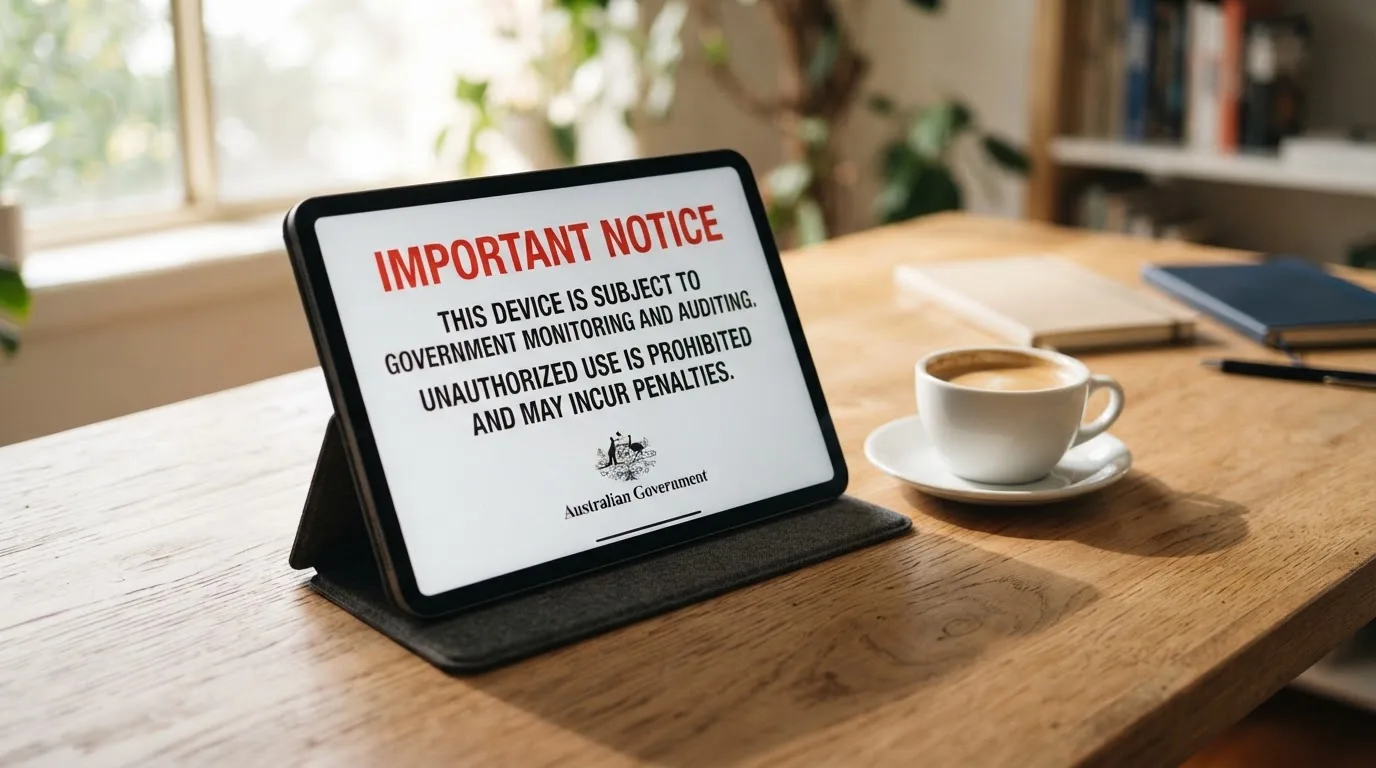
The ACMA enforces. Its instruments are investigations, formal warnings, and directions to Australian internet service providers to geo-block offending sites. As of the most recent published round the regulator had asked ISPs to block 1,751 illegal gambling and affiliate marketing websites since the first blocking request in November 2019, with more than 230 unlicensed gambling services having left the Australian market since enforcement was strengthened in 2017. A June 2026 round alone asked ISPs to block twelve more: 7Signs, ChromaBet, Donbet, Duospin, Freshbet, Slots Gem, Jacks Club, Lucky Start, Pointsbetz, Spinrise, Vinyl Casino and Wildsino. The pace has not slowed.
None of that makes the player a criminal. The statute targets the provider. What it does mean is that an offshore operator offers an Australian customer no local consumer protection: no Australian complaints body, no local recourse if a withdrawal stalls, no guarantee the site will still resolve to an Australian IP address by the end of the week. The balance on the account can be made unreachable with a single blocking request, and the operator is under no obligation to refund it. H2 Gambling Capital’s 2025 estimate puts Australian losses to illegal gambling sites at roughly A$3.9 billion a year, and shows the share of gambling going through legal channels falling from 74% in 2021 to 64% — the trend is moving in the wrong direction, and the marketing that drags it there is the marketing on the other side of the offer.
What an Australian-licensed wagering operator can and cannot accept
The legal deposit routes for an Australian-licensed online wagering service are narrower than for almost any other consumer product. Since 11 June 2024, credit cards, credit-related products and digital currency have been banned as payment for licensed online wagering; penalties for operators who breach this run up to A$247,500. The legal alternatives are debit card, bank transfer, PayID and Osko, and BPAY. A site asking an Australian customer to fund an account with a credit card or a crypto deposit is, by definition, not sitting inside those rules — and a site asking for PayID to fund a casino balance is asking for a payment rail that is licensed for wagering to be used to settle a casino transaction the same framework prohibits.
Banks have layered their own controls on top of the statute. Westpac’s gambling block refuses authorisation of transactions registered under the merchant category code “Betting/Casino Gambling” on eligible personal credit and debit cards. ANZ’s block, activated in the ANZ app, also catches gambling transactions made through a digital wallet like Apple Pay on an eligible card. Once ANZ’s block is on, removing it requires a forty-eight-hour cooling-off period, and the bank warns that not all gambling transactions will be blocked while some non-gambling ones might be in error — the controls are coarse, and that is part of the design. Apple Pay, Google Pay and Samsung Pay together accounted for around 45% of all card payments in Australia by number at the end of 2025, which is why the bank blocks now extend to the wallet layer rather than just the plastic.
Where the no-deposit part actually leaves the punter
The “no-deposit” wording is doing precise work: it is removing the one barrier that normally lets a player walk away before committing. Without a deposit, there is no payment-method chargeback to file, no bank statement trail to reconcile, no PayID transfer to cancel. The reader is already on the page; the only remaining friction is the site’s own registration form.
Once registered, the bonus is almost always small — a handful of free spins or a small cash credit — and it sits behind a wagering requirement, typically stated as a multiple of the bonus amount. The math is the part an offshore marketing page never shows, and it is the part that decides whether the offer is worth anything in the player’s hand. A$10 of bonus credit at a forty-times wagering requirement is A$400 of turnover before any of it can be considered for withdrawal; at a house edge of around 4% on a typical online pokie, A$400 of expected play returns A$384 in expectation, meaning the bonus is mathematically expected to be worth less than the requirement costs the player to clear. A max-cashout cap — common on these offers — makes the picture worse still: even after clearing the requirement, the player is paid out only up to a stated ceiling, and everything above it is forfeited. The “no-deposit” tag, in other words, names what the player does not have to do. It says nothing about what the player has to give up.
The reverse calculation — what the bonus actually costs the operator — is harder to find because the operators do not publish it. Affiliate pages repeat the headline (“A$10 no deposit, 40x wagering”) and stop there. The only honest read of the offer is the one above: a small credit, a large turnover, an expected loss that runs into the bonus amount itself, and a ceiling that catches anything the player manages to clear.
How the ACMA’s blocking rate has moved since the first request
The arithmetic relevant to this material sits in the regulator’s own published counts. The ACMA has blocked 1,751 illegal gambling and affiliate marketing websites since the first blocking request in November 2019, according to the tally the regulator reported in June 2026. Spread across the roughly six and a half years between November 2019 and June 2026, that works out to somewhere in the range of 260 to 275 blocks a year on average — a band rather than a precise figure, because the published total is cumulative and the blocking request rounds are not evenly spaced. The most recent single round alone asked ISPs to block twelve more sites, which is consistent with a steady state of multiple rounds per year and a total that continues to climb. The figure that the marketing pages do not show is that the ACMA’s blocking total is rising, not falling, which means the supply side of the offer — the offshore sites a reader is being invited to play at — is being pruned in the background the entire time the offer is on the page.
The blocking rate as a reader signal
For an Australian weighing whether to actually deposit anywhere the marketing points to, the rate matters more than the absolute count. A regulator that has been steadily issuing blocking requests for over six years is not signalling that the offshore market is closing; it is signalling that the offshore market is being throttled, and that any individual site carries a non-trivial probability of being unreachable within the lifetime of a deposit. The Australian-licensed alternative does not carry that probability — it carries the trade-off of a narrower product set, since only wagering, lotteries and keno are licensed. For a punter who wants pokies specifically, the legal route in Australia is not yet available, and the arithmetic on that gap is the arithmetic the offer is built to obscure.
What an Australian reader has that the marketing page does not name
The Australian framework gives a player on a licensed wagering site a real set of protections that do not exist at the offshore end, and the contrast is worth spelling out.
BetStop — the National Self-Exclusion Register, live since August 2023 — binds every Australian-licensed online and phone wagering service. Once a person registers, the operator is required to refuse their wagering, close marketing communications and return any balance held in their account within a reasonable time. The register does not reach offshore casinos, and that is precisely why the marketing pages keep moving them to offshore brands a reader cannot exclude themselves from in any Australian register. The National Gambling Helpline — 1800 858 858 — is free, twenty-four hours a day, with chat at Gambling Help Online for readers who would rather type than talk.
On the financial side, the bank-level controls that turn away card payments to gambling merchants do their work before the player can commit the deposit. ANZ’s block, once activated, sits behind a forty-eight-hour cooling-off period before it can be turned off. The Westpac equivalent works at the merchant-category-code layer. PayID’s own operator — Australian Payments Plus — publishes the warning about being asked to send money to a PayID on an illegal gambling site, and defines what that warning is pointing at. None of those is a block on the player; they are all signals that the Australian ecosystem has already decided what an offshore casino PayID deposit looks like, and the player is downstream of that decision by the time they are reading the bonus terms.
The operators the ACMA has named — and what that list says
The table below is not a ranking. Every brand listed is one the ACMA itself has issued a formal warning over for offering prohibited interactive gambling services to Australians. The order follows the ACMA’s own sequence of named operators as published; the only reason to gather them on one page is to show the same fact repeating across the offshore market — that offshore operators, and the company vehicles behind them, are renamed, re-warned and re-blocked without the underlying offer to Australians changing.
| Brand | ACMA action and date | Operator named by the ACMA | Subject support |
|---|---|---|---|
| RocketPlay | Formal warning, March 2026; earlier warning to same brand as part of a six-brand batch in May 2022 | Pulsup Ltd (March 2026); Dama N.V. (May 2022) | — |
| Level Up Casino | Formal warning, May 2022 | Dama N.V. | Westpac gambling-block pages list the merchant category code the bank refuses |
| Woo Casino | Formal warning, March 2025 | Dama N.V. | — |
| Spirit Casino | Formal warning, May 2025 | Dama N.V. | — |
| National Casino | Formal warning, July 2025 | Consolutetish S.R.L. | AUSTRAC and Wikipedia entries name the brand; the underlying offer is the prohibited service the ACMA warned over |
| Bizzo Casino | Formal warning, July 2025; earlier 2022 warning under a different operator | Consolutetish S.R.L. (July 2025); TechSolutions (CY) Group Limited and TechSolutions Group N.V. (2022) | — |
| Ignition Casino | Formal warning, July 2025 | Bamboo Media | — |
| Instant Casino | Formal warning, February 2025 | EOD Code SRL | ecoPayz payment-method pages and PayID pages carry the brand only as listing entries, not as endorsement |
| Jackbit | Formal warning, April 2026 | Ryker B.V. | — |
| Casino Intense | Formal warning, April 2025 | Sterplay Holding Ltd | AUSTRAC, IT News and NAB pages carry the brand only as listing entries, not as endorsement |
| Sky Crown | Formal warning, September 2022 | Hollycorn N.V. | — |
The single thing the table shows is the recycling pattern. Dama N.V. has been named by the ACMA four times across three years, over four different brands. Consolutetish S.R.L. has been named twice in the same year, over two brands, one of which was already on the regulator’s list under an earlier operator. The company vehicle changes; the offer to Australians does not. For a reader scanning the offshore “no-deposit PayID pokies” set, the practical question is not which of these brands is the safest choice — none of them is licensed to supply what they are supplying — but whether any of them will still be reachable by the time a withdrawal is due. The ACMA’s own rate of blocking requests is the best publicly available estimate of that risk, and it has not fallen.
What the responsible-gambling frame actually asks of a reader
The reason the responsible-gambling shelf exists on a page about a prohibited offer is not to scold. It is to give a reader who has already reached the marketing the same set of facts the framework gives a reader who plays with a licensed wagering operator — and to make clear what is missing on the offshore side.
A reader who wants to keep playing online and stay inside Australian consumer law can do so today only through licensed wagering, lotteries and keno; the legal framework does not yet provide a licensed route for online pokies. A reader who finds the offshore offer hard to walk away from can register with BetStop — the National Self-Exclusion Register — and that registration will bind every Australian-licensed wagering service to refuse them and to close marketing contact. BetStop will not reach an offshore casino, but it will close the part of the market that is regulated.
For a reader who has already moved money to an offshore site, the practical paths are different. The Australian Payments Plus scam warning names the category — a “scambling” site, by its definition, is one that advertises on social media and messaging apps and tricks people into gambling on a scam website — and tells anyone who thinks they have been scambled to contact their financial institution. The bank will often be faster than any other recourse. The bank block on gambling transactions can be turned on after the fact, and the forty-eight-hour cooling-off ANZ applies to turning it off again makes the block a real brake on the next impulse to deposit. The National Gambling Helpline — 1800 858 858 — is free, available around the clock, and runs chat at Gambling Help Online.
None of those steps undoes a deposit already lost. What they do is take the next deposit off the table, which on a page about offers built to remove friction from the first deposit is the only piece of friction worth installing.
Frequently Asked Questions
Does pairing “PayID” with a no-deposit bonus actually mean anything different from a plain no-deposit pokies offer?
It does not. PayID is just the payment rail the marketing has chosen to show in the headline; the no-deposit bonus still converts to a credit that carries a wagering requirement and a max-cashout cap, and the pokies product is still a prohibited interactive gambling service in Australia. The PayID label is a recognisable Australian brand stitched onto an offer that, on the Australian side, is not legally available.
How fast would a PayID withdrawal actually move if a no-deposit win were ever paid out?
The PayID rail itself is fast — transfers between participating Australian banks settle in under a minute, twenty-four hours a day — but that speed only applies once the offshore operator has already cleared the wagering, passed its own anti-fraud checks and instructed its processor to push Australian dollars to an Australian account. None of those three gates is enforceable from Australia, and any of them is a place the cash can sit.
Is a PayID no-deposit bonus offer from an offshore pokies site something an Australian can lawfully accept?
No Australian-licensed operator can lawfully supply it — online casino games, online pokies included, are a prohibited interactive gambling service under the Interactive Gambling Act 2001 — and no offshore operator can lawfully supply it to a person in Australia. The legal exposure sits with the supplier; the practical exposure (no local consumer protection, no recourse, the possibility of an ISP-level block with a balance still on the account) sits with the player.
What is the usual cap on withdrawing winnings from a PayID pokies no-deposit bonus?
The cap is set by the operator and varies; the operators do not publish the cap and the affiliate pages do not state it consistently. What is uniform across the offer type is that a cap exists and is enforced — a no-deposit bonus that paid out uncapped would be economically unrepeatable — so a reader who has not yet seen a specific cap on the offer they are looking at should assume one is in the terms.
Why would a site need PayID at all if the bonus itself requires no deposit?
The no-deposit part covers the bonus itself; the site still needs a way to pay out any winnings the player manages to clear the wagering on. PayID in the marketing gives the site a recognisable Australian payment brand for the payout leg, and gives the player a familiar name to lean on when they are reading the offer. The payment rail is real; the offer it is being attached to is still the prohibited one the ACMA has been warning about for years.
What should someone check before assuming two “payid pokies no deposit bonus” pages describe the same offer?
The terms page behind the offer — the wagering multiple, the max-cashout cap, the eligible games, the country restrictions and the operator identity behind the brand. Affiliate pages recycle headline language (“no deposit”, “PayID”, “instant withdrawal”) across operators that are different companies, run on different licences outside Australia, and carry different terms. The marketing converges; the contract does not.