
Casinos that take CashtoCode in Australia: the working picture for 2026
Verified against the ACMA’s public register as of 29 October 2026 — the regulator’s most recent blocking and formal-warning actions on offshore casino services operating in Australia.
A printed CashtoCode eVoucher, paid for in cash at a convenience store, lands in a casino account without a bank card and without a name on the transaction. That is the appeal the marketing leans on, and the entire reason the brand sits on Australian-facing casino sites at all. It is also the entire reason the path leads through operators the ACMA has named one by one. The voucher works. The deposits clear. The sites still cannot lawfully take a player sitting in Australia under the Interactive Gambling Act 2001, and the regulator has been removing them in batches since 2017.

This page is written for someone who already knows what they came looking for and wants the shape of it: what the voucher is, how deposits and withdrawals differ, why every brand in the comparison below is named because the regulator acted against it, and what an Australian player is actually relying on when they choose one of these paths over the licensed alternatives that exist for them.
Table of Contents
- How a CashtoCode deposit lands at an offshore casino
- The legality frame: why every CashtoCode site sits in the prohibited zone
- Responsible play and the limits that actually apply in Australia
- How payments actually move: voucher in, something else out
- The comparison: eleven ACMA-warned brands in one view
- Reading the table: what changes when eleven brands carry the same warning
- The blocking rate: how fast the ACMA is removing sites
- What the choice actually looks like for a reader
- Frequently asked questions
How a CashtoCode deposit lands at an offshore casino
A CashtoCode eVoucher is a 20-digit code sold in more than 25 currencies by resellers ranging from corner shops to dedicated online platforms, and it needs no personal details to buy or to use. The brand has been on the market since 2013 and its site lists gambling providers — Pragmatic Play, Evolution, NetEnt and Playtech — in its catalogue filters, so it is plainly built for casino traffic. The customer takes a printed receipt into a casino cashier, enters the code, and the equivalent value appears as a balance on the casino side. There is no charge to the customer for the voucher itself, and any unused balance keeps its full value.
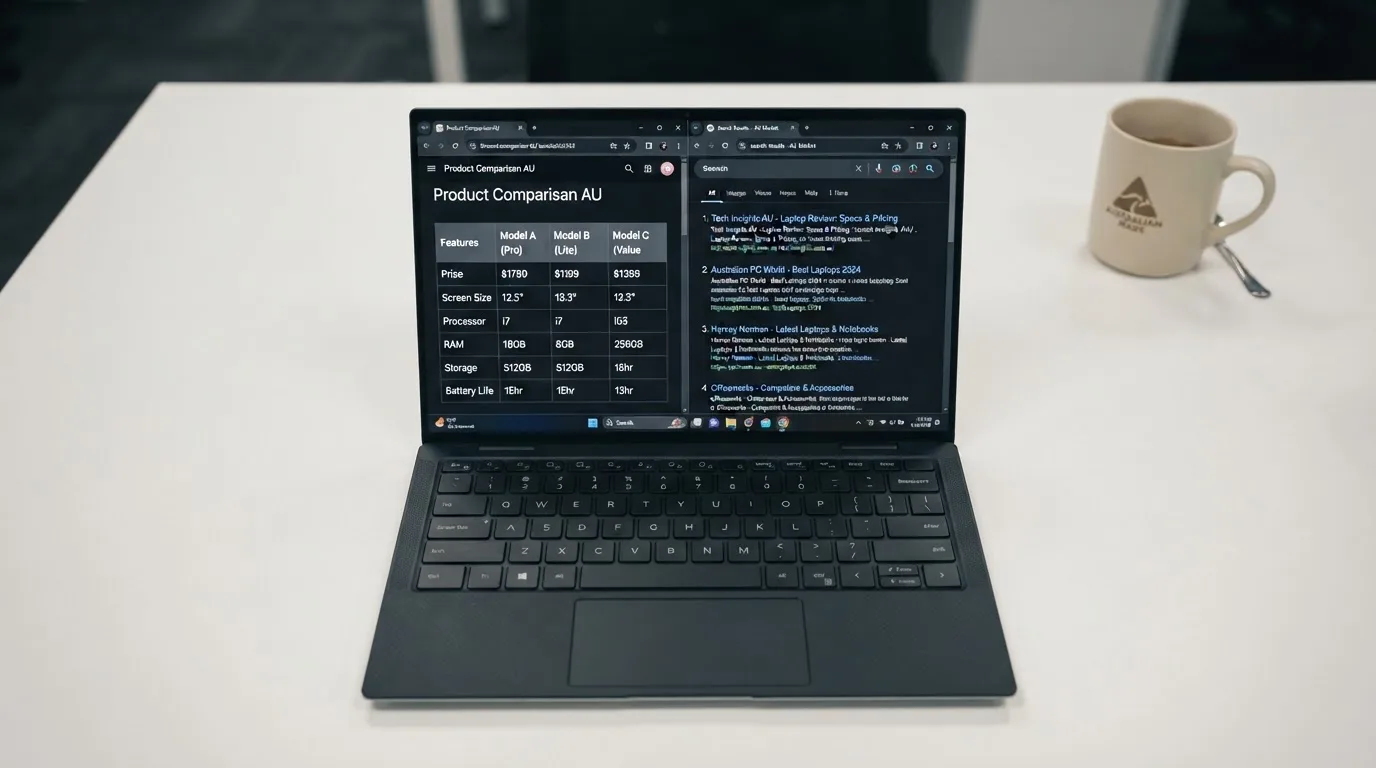
That is what the deposit half of the relationship looks like. It is also all of it: the official CashtoCode product is deposit-only, with no withdrawal option. Getting money back out runs through whatever else the casino accepts, and that path is the casino’s own, not CashtoCode’s. The voucher solves one problem — putting cash in without naming yourself — and creates another one in the same motion, because any withdrawal needs a separate, identifiable channel that the casino does not run on the voucher’s anonymity.
The set of operators the ACMA has formally warned over the past four years is the only honest sample of sites that actually market CashtoCode to Australian players. The regulator’s case files name the operator and brand, the date of the action and the Interactive Gambling Act provisions invoked. That is what each row in the comparison table further down is built from.
The legality frame: why every CashtoCode site sits in the prohibited zone
Australia’s Interactive Gambling Act 2001, strengthened by the Interactive Gambling Amendment Act 2017, makes it an offence to provide online casino games, online pokies or in-play betting to a person physically in Australia. No state or territory issues online casino licences. What is licensable — wagering on races and sport placed before the event, lotteries, keno — sits under the Northern Territory Racing and Wagering Commission in practice, an oddly small body that regulates 52 of Australia’s online bookmakers including Sportsbet, Bet365 and Ladbrokes, runs no full-time staff and meets once a month in Darwin. The licensed product set is narrow by design; the offshore set is wide because it answers demand that the licensed set will not.
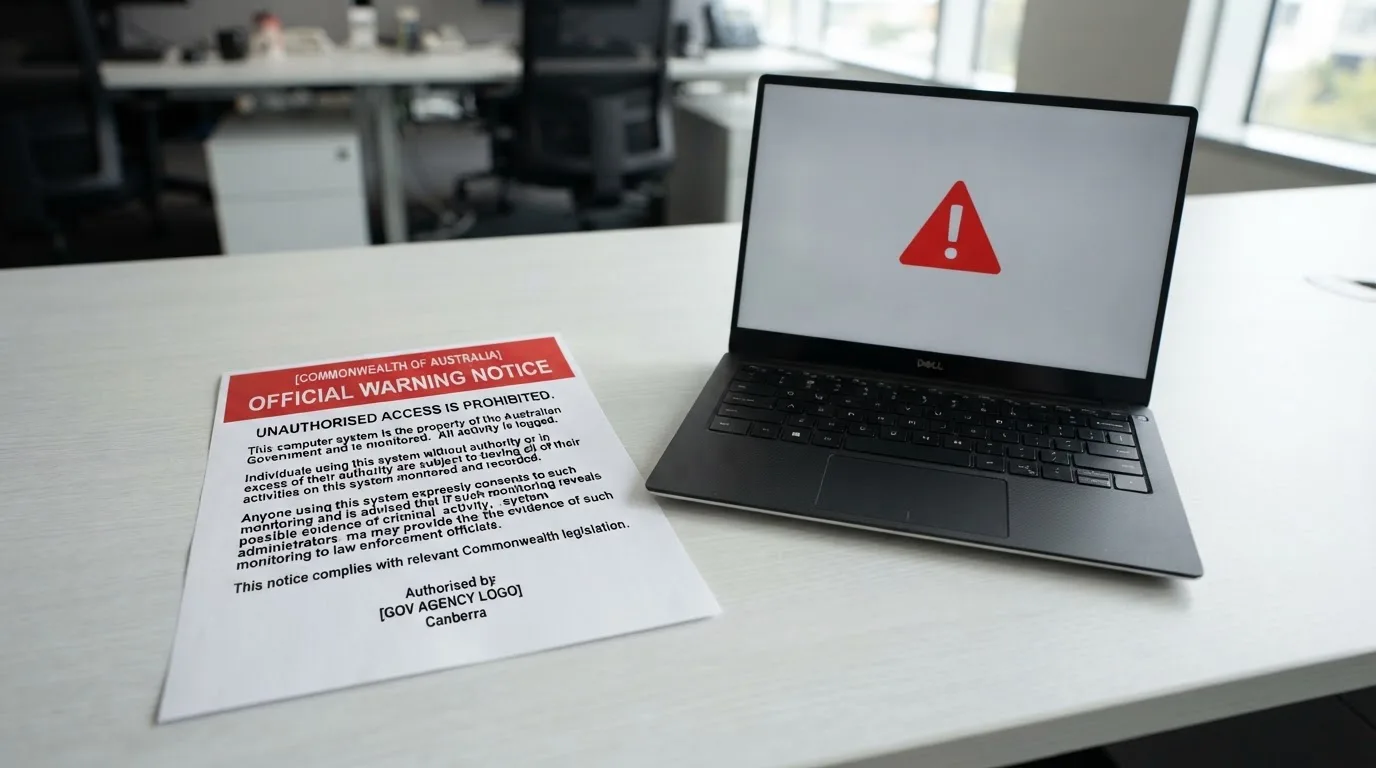
Credit cards, credit-linked digital wallets and digital currencies have been banned as payment for licensed online wagering since 11 June 2024, with ACMA penalties of up to A$247,500 for operators who breach the rule. CashtoCode, paid for in cash at a reseller, is a different rail — the credit-card ban is not what catches a CashtoCode deposit, and a site asking for a crypto deposit or a credit card is operating outside the Australian rules in its own way. What catches any CashtoCode site is the offer itself: online casino games are prohibited content regardless of how the player pays for them.
The Interactive Gambling Amendment (Gambling Reform) Bill 2026 passed Parliament on 19 August 2026, with its advertising and inducement measures to commence on 1 January 2027. It is law with a start date, not yet in force on a 2026 page. The IGA’s core prohibition, though, is older than any of this discussion and has been enforced continuously since 2017.
What the ACMA actually does about it
Enforcement runs through three channels. The first is the formal warning, a written notice that names an operator and a brand and puts the operator on notice that further action will follow. The second is the blocking request to Australian internet service providers, which is the lever the public sees most often — it is what removes a site from a residential connection without the player having to do anything. The third is the exit of unlicensed services from the Australian market, which has been the cumulative result of those two combined.
The numbers, as the regulator reports them: 1,751 illegal gambling and affiliate marketing websites blocked since the first blocking request in November 2019, and more than 230 unlicensed gambling services having left the Australian market since enforcement was strengthened in 2017. The most recent blocking round, reported on 26 June 2026, took out 12 sites in one batch: 7Signs, ChromaBet, Donbet, Duospin, Freshbet, Slots Gem, Jacks Club, Lucky Start, Pointsbetz, Spinrise, Vinyl Casino and Wildsino. The pace has not slowed.
H2 Gambling Capital’s 2025 report puts the country’s losses to illegal gambling sites at roughly A$3.9 billion a year, and tracks the legal channel’s share of total gambling spend from 74% in 2021 down to 64%. The licensed set is shrinking as a share of the action even while the ACMA removes sites from the other side.
What the player is and is not exposed to
The IGA targets the provider, not the individual. Nobody reading this page faces prosecution for depositing with CashtoCode at one of the operators below. What the player does face, and what no offshore site can do anything about, is the practical reality of trusting a foreign operator with no Australian complaints body, no Australian consumer protection and no enforced payout timeline. The ACMA has blocked sites that still held player balances; the regulator does not return those balances, because the regulator never touched them in the first place. The blocker does not seize funds. It severs the connection.
A site can refuse a withdrawal, dispute a bonus term, change a rule mid-week or simply stop answering. None of that has an Australian remedy. The minimum age is 18 and the prohibition does not bend for it.
Responsible play and the limits that actually apply in Australia
The licensed side of Australian wagering has a small set of player-protection tools that simply do not exist offshore. Knowing what they do and what they do not do is the only useful preparation a reader can take from this page.
BetStop, the National Self-Exclusion Register, has been live since August 2023 and binds every Australian-licensed online and phone wagering service. An offshore casino is not connected to it. Self-excluding through BetStop does not stop an offshore casino from accepting a CashtoCode deposit, because no part of the offshore system checks BetStop first. The register is a hard wall on the licensed side and nothing on the other.
The major banks — NAB, Commonwealth Bank, Westpac, St George and ANZ among them — let cardholders self-activate a gambling transaction block through their banking app. Westpac’s block operates at the card level by refusing authorisation on transactions carrying the merchant category code for betting and casino gambling. ANZ’s block extends further, blocking gambling transactions made through a digital wallet such as Apple Pay on an eligible card, not just the physical card. Activation is usually immediate; lifting the block on ANZ carries a 48-hour cooling-off period, and the bank warns that not every gambling transaction will be blocked and some non-gambling transactions may be blocked in error. These tools cover card-funded gambling. A CashtoCode purchase, paid in cash at a reseller, sits outside them by construction, and that is the only reason someone looking to bypass a card-level block would end up at a CashtoCode cashier in the first place.
The National Gambling Helpline at 1800 858 858 is free, runs around the clock and connects to a chat service at Gambling Help Online. Neither of these tools cares which side of the legality line a player is on. They exist for the person who needs them, full stop.
The thing this section is most honest about is the asymmetry. Every protection listed above targets the licensed channel. The unlicensed channel — which is what a CashtoCode deposit reaches — has no Australian identity check, no Australian complaints process, no Australian age verification, no Australian responsible-gambling enforcement and no Australian backstop on a stuck withdrawal. The protection tools a reader can rely on are the ones that limit the licensed side. Beyond those, a CashtoCode deposit is a transaction with an entity the regulator has already told to stop.
How payments actually move: voucher in, something else out
The shape of the payment flow is what makes a CashtoCode page distinct from a regular deposit-method comparison, and it is worth laying out cleanly before the operator ranking arrives.
Deposits
A CashtoCode deposit is a cash-for-code transaction. The player pays a reseller — a convenience store, a petrol station kiosk or an online platform — in their local currency, receives a 20-digit code and enters it at the casino cashier. The casino credits the equivalent value to the player’s account. There is no charge to the customer for the voucher and no fee structure between reseller and end user. The minimum deposit at CashtoCode-accepting sites commonly sits at A$10, which is the floor most resellers stock and the floor most cashier pages publish. The transaction carries no bank details, no card number, no wallet identifier. It is the closest thing to anonymous play that the offshore casino market offers, and that is precisely the feature that drives both its appeal and the regulator’s interest in it.
Withdrawals
The voucher has no withdrawal side. A player wanting to cash out submits a request through whatever the casino accepts for payouts — typically a bank transfer, sometimes a crypto rail, occasionally an e-wallet — and the request enters the operator’s own pending period. A CashtoCode withdrawal request still needs a casino’s own manual checks completed before the settlement lands back in an Australian account. That is the operator’s queue, the operator’s verification step and the operator’s timeline; CashtoCode is not in the loop.
The bank-transfer path runs through PayID and Osko where supported. Osko settles a bank transfer between participating Australian banks in under a minute, around the clock including weekends, whether it goes to a BSB and account number or a PayID. Paying to a PayID shows the name of the account holder before the transfer is sent, and the payments platform warns that being asked to transfer to a PayID on an illegal gambling site almost certainly means a scam site. That warning matters most at exactly the moment a player is about to do it. PayID identifiers had crossed 25 million by April 2025, and over 100 Australian financial institutions now offer PayID-based instant transfers. The New Payments Platform went live to the public on 13 February 2018, owned by New Payments Platform Australia Ltd, a non-profit whose 13 shareholders include the Reserve Bank of Australia and the major banks. NPP participants must keep monthly outages under two minutes; the ACCC authorised the 2021 merger of NPP Australia with BPAY and eftpos into Australian Payments Plus.
AUSTRAC’s threshold-transaction-report rule, which mandates reporting of transfers of A$10,000 or more, applies only to physical cash. Ordinary electronic bank transfers are not subject to that per-transaction reporting requirement, regardless of the amount sent. The A$10,000 trigger does not catch a bank-transfer payout.
Where the credit-card ban actually bites
From 11 June 2024 the law has banned Australian-licensed online wagering service providers from accepting credit cards, credit-linked digital wallets or digital currencies, with ACMA penalties of up to A$247,500 for non-compliance. The rule, aimed at licensed wagering, constrains Apple Pay and Google Pay usage on gambling by blocking the underlying credit-funding path. Where a debit card funds the wallet, the digital-wallet transaction rides the debit rail and the block does not catch it the same way. ANZ’s gambling block, where the customer has activated it, blocks Gambling Transactions made through Apple Pay on an eligible card regardless of which funding source sits underneath. Apple Pay itself adds no consumer-facing fee — any surcharge on a card-funded transaction is the merchant’s card-processing fee, not Apple’s. Apple sets no transaction limits or PIN rules of its own; those are the card issuer’s or the merchant’s call. By the end of 2025, Apple Pay, Google Pay and Samsung Pay transactions together accounted for around 45% of all card payments in Australia by number, which is why the IGA’s constraint on credit-linked wallets was a meaningful change rather than a marginal one.
CashtoCode, paid in cash and entered as a code, sits outside this entire stack. That is the structural feature. It also means nothing on the licensed side touches it, and nothing on the licensed side defends the player who uses it.
The comparison: eleven ACMA-warned brands in one view
The table below covers every brand the ACMA has formally warned over an offering of online casino games or online pokies to Australians, where the regulator’s published action named CashtoCode or named a brand commonly listed at CashtoCode-accepting sites. This is not a ranking in the conventional sense — the IGA makes any online casino offering illegal to provide to an Australian resident, and a better-or-worse ordering of illegal offers does not earn its keep. The order is chronological, following the ACMA’s published action dates. The columns record what the regulator did, when and to whom, and what each operator’s listings report about CashtoCode support.
| Brand | ACMA action and date | Operator named by the ACMA | CashtoCode support as listings report |
|---|---|---|---|
| Level Up Casino | Formal warning, May 2022 | Dama N.V. | Westpac’s gambling-block pages list Level Up among blocked gambling merchants |
| Sky Crown | Formal warning, September 2022 | Hollycorn N.V. | — |
| Bizzo Casino | Formal warning, 2022; further warning July 2025 | TechSolutions Group (2022); Consolutetish S.R.L. (2025) | — |
| RocketPlay | Formal warning, March 2026 | Pulsup Ltd | — |
| Woo Casino | Formal warning, March 2025 | Dama N.V. | — |
| Spirit Casino | Formal warning, May 2025 | Dama N.V. | — |
| Casino Intense | Formal warning, April 2025 | Sterplay Holding Ltd | AUSTRAC, ITNews and NAB registries list Casino Intense among blocked or monitored gambling services |
| Instant Casino | Formal warning, February 2025 | EOD Code SRL | EcoPayz and PayID payment-method lists flag Instant Casino as high-risk |
| Ignition Casino | Formal warning, July 2025 | Bamboo Media | — |
| National Casino | Formal warning, July 2025 | Consolutetish S.R.L. | AUSTRAC threshold-transaction reporting references and Wikipedia’s payment-method registry list National Casino among services under increased monitoring |
| Jackbit | Formal warning, April 2026 | Ryker B.V. | — |
Every brand in the table has one thing in common: the ACMA named the operator because the service was being provided to Australians in breach of the Interactive Gambling Act 2001. Reading the table as a guide to the safest illegal site inverts what it is. The next section walks the eleven in the order the plan asks for.
RocketPlay
The ACMA’s most recent action against RocketPlay was a formal warning issued in March 2026 to Pulsup Ltd over the RocketPlay service. Earlier, in May 2022, the regulator warned Dama N.V. across a batch of six brands that included RocketPlay. The site operates on the same offshore stack as the rest of the list. List-research found no CashtoCode listing for this brand, so the only honest statement is that RocketPlay sits on the same offshore rails as the operators below and the ACMA has named it twice.
For a reader cross-checking the brand against the ACMA’s record, it is clear the regulator has already done the work of warning the operator twice, and the second warning post-dates the Interactive Gambling Amendment (Gambling Reform) Bill 2026’s parliamentary passage.
Level Up Casino
Level Up Casino is one of the six brands named in the ACMA’s May 2022 warning to Dama N.V. The site sits in Westpac’s gambling-block merchant lists, which means a Westpac cardholder who has activated a gambling transaction block will have their Level Up deposit declined at the merchant category code level. That is a defensive layer on the licensed side of the rail, not a feature of the casino itself.
The verdict on this brand is that it has carried a regulator warning for the longest unbroken stretch in the table. Players using a card that hits Westpac’s merchant block get an enforced answer before the cashier page loads.
Woo Casino
Woo Casino triggered a fresh Dama N.V. warning in March 2025, separating it from the May 2022 batch. The site continued operating to Australian-facing traffic through the intervening years. List-research carries no CashtoCode entry for this brand, so the page leaves it where research leaves it.
The March 2025 warning matters more for what it says about the operator’s behaviour than for what it says about Woo Casino specifically. The same parent entity, Dama N.V., was warned again because the conduct the regulator had named in 2022 continued at sister brands. The verdict on Woo Casino is that the ACMA had to repeat itself to get attention, and that the brand’s name in the comparison below reflects the regulator’s patience, not the operator’s.
Spirit Casino
Spirit Casino drew its own Dama N.V. warning in May 2025, two months after Woo Casino. The two sit close together in the operator’s portfolio and close together on the regulator’s calendar. The pattern is the same: a parent company warned in 2022 for offering prohibited services to Australians, warned again in 2025 for the same conduct under a different brand, and the second warning lands at Spirit Casino.
The verdict is that Spirit Casino is the second 2025 Dama N.V. warning in three months, which says something about the operator’s response to the first one. It is not a recommendation; it is the regulator’s documented pattern.
National Casino
National Casino drew a formal warning in July 2025, this time against Consolutetish S.R.L. The site’s listings include entries on AUSTRAC’s threshold-transaction reporting references and on Wikipedia’s payment-method registry, both flagging it for increased monitoring. The action came the same month the ACMA also warned Consolutetish S.R.L. over Bizzo Casino, which made two warnings against the same operator in one month.
For a reader comparing it to its 2025 peers, the verdict is that National Casino shares both its operator and its warning month with Bizzo Casino, and that AUSTRAC’s threshold-transaction reporting references flag the brand beyond the ACMA’s own notice.
Bizzo Casino
Bizzo Casino is the most-warned brand in the table. The ACMA warned TechSolutions (CY) Group Limited and TechSolutions Group N.V. over Bizzo Casino in 2022, then warned Consolutetish S.R.L. over the same brand in July 2025. Two operators, two regulators’ letters, the same casino. The second warning is the second formal warning tied to Bizzo Casino since 2022, and that phrase is doing a lot of work in the regulator’s own framing.
The verdict on this brand is the longest in the table. An operator that has been warned twice over the same brand across three years has not been warned because the regulator is being thorough. It has been warned because the conduct has continued.
Ignition Casino
The ACMA warned Bamboo Media over Ignition Casino in July 2025. The brand carries a long history in offshore poker and casino markets. List-research carries no CashtoCode entry for Ignition Casino, so the column stays empty. The verdict is that the July 2025 warning places Ignition Casino in the same enforcement cluster as National Casino and Bizzo Casino, all three landing at the regulator within a single month.
Instant Casino
Instant Casino drew a formal warning in February 2025 against EOD Code SRL. EcoPayz and PayID payment-method lists both flag Instant Casino as high-risk, which is the strongest payment-side signal in the table — the rail operators that handle the withdrawal side are themselves publishing a caution. The February 2025 warning predates the 2025 Dama N.V. cluster by a month.
For a reader comparing the brands, Instant Casino is the one where the payment-method listings have caught up with the regulator’s caution. This brand carries both an ACMA warning and active flags from the payment-method providers themselves, a level of cross-rail recognition that the other ten brands do not match.
Jackbit
The ACMA’s April 2026 warning to Ryker B.V. covered both Jackbit and CasinOK. List-research carries no CashtoCode entry for this brand. The verdict is that Jackbit is the most recent Ryker B.V. warning on the regulator’s calendar and the only April 2026 entry in the table.
Casino Intense
Casino Intense drew a formal warning in April 2025 against Sterplay Holding Ltd. AUSTRAC’s registry, ITNews and NAB’s banking-block listings all flag Casino Intense, which puts the brand on three separate Australian-side lists beyond the regulator’s own warning. The April 2025 timing places it between the Dama N.V. warnings of March and May 2025 and the Consolutetish S.R.L. warnings of July 2025.
The verdict is that Casino Intense carries more Australian-side flags per regulator warning than any other brand in the table. Three listings, one warning, and the operator was warned because the conduct continued.
Sky Crown
Sky Crown drew a formal warning against Hollycorn N.V., published by the ACMA in September 2022. Hollycorn N.V. is the same operator behind Blue Leo Casino, which the ACMA named in the same formal-warning notice. List-research carries no CashtoCode entry for Sky Crown. The verdict is that the brand sits on the oldest unbroken regulator warning in the table — a Hollycorn N.V. notice from 2022 that the regulator has not had cause to repeat, but has not had cause to lift either.
Reading the table: what changes when eleven brands carry the same warning
The honest reading of the comparison block is not “which of these is least bad.” Eleven different operators, four of them Dama N.V. alone, and four years of warnings, and the regulator has not once had cause to call the conduct a misunderstanding. The spread of dates — 2022, 2025, 2026 — is the only useful axis. The 2022 batch was the regulator establishing its position. The 2025 batch was the regulator establishing that the position held. The 2026 entries are the regulator continuing to enforce against operators that ignored the earlier warnings.
Listings flags matter at the edges. Westpac’s merchant block on Level Up means a Westpac cardholder cannot fund that brand at all without lifting the block. AUSTRAC’s threshold-transaction reporting references on National Casino and Casino Intense mean those brands sit inside the financial-intelligence perimeter, not just the communications regulator’s. EcoPayz and PayID flagging Instant Casino means the payment rails themselves are publishing a caution. None of these turn the operator into a safe option, because the underlying offer is still prohibited content under the IGA. What they do is tell the reader which brands sit closer to the Australian payment-system perimeter and which sit further away.
The blocking rate: how fast the ACMA is removing sites
The arithmetic the regulator’s record supports is straightforward: 1,751 illegal gambling and affiliate marketing websites blocked since the first blocking request in November 2019, as reported on 26 June 2026. That is roughly 80 months of enforcement. The running average works out to something between 21 and 22 sites blocked per month over the lifetime of the program, with the actual rate varying sharply between rounds — early rounds took out dozens in a single request, recent rounds take out closer to twelve. The published figure is a running total rather than a single batch size.
The point of the calculation is not the average in isolation. It is that the regulator has been removing sites continuously for nearly seven years without the underlying supply drying up. A new brand appears; the ACMA blocks it; another operator rebrands or spins up a sister site; the regulator blocks that too. The June 2026 round’s twelve names — 7Signs, ChromaBet, Donbet, Duospin, Freshbet, Slots Gem, Jacks Club, Lucky Start, Pointsbetz, Spinrise, Vinyl Casino and Wildsino — fit the pattern exactly. The throughput is steady, not slowing. The block is the regulator’s answer; it is not the operator’s incentive to leave.
What the choice actually looks like for a reader
The page has laid out a market in which every brand a reader might compare is on the regulator’s list, the voucher works exactly the way it says it does, and the protection tools that apply to licensed wagering do not extend across the line. The choice for a reader is not between safe and unsafe illegal casinos. It is between the unlicensed offshore path the regulator is removing in batches and the licensed land-based and club-pokies path that exists within Australia and carries every protection this page has named.
A reader who has decided on the offshore path anyway — and there are readers who have — needs three things from this page: a sense of which brands the regulator has named most recently, which brands Australian payment rails have already flagged, and how a CashtoCode withdrawal actually leaves the country when the time comes. The table answers the first two. The answer to the third is that the voucher has no withdrawal side at all, that the withdrawal runs through whatever else the casino accepts, and that the casino’s own pending period is the only clock on the payout.
The honest closer is that this page has not been written to send anyone offshore. It has been written so that the reader who lands there anyway knows exactly what they are looking at. A voucher paid for in cash at a corner store, a brand the ACMA warned about, a withdrawal the casino handles on its own timeline, and no Australian backstop if any part of it goes wrong.
Frequently asked questions
Is it legal for an online casino to accept CashtoCode from a player in Australia?
No. The Interactive Gambling Act 2001 makes it an offence to provide online casino games, online pokies or in-play betting to a person in Australia. The payment method does not change the prohibition. CashtoCode, credit card, debit card, crypto — every rail reaches the same prohibited offer, and the ACMA enforces against the provider rather than prosecuting individual players.
What is the smallest deposit a CashtoCode casino site usually asks for?
The floor is A$10 at most CashtoCode-accepting sites, which mirrors the smallest voucher denomination resellers typically stock and the minimum most cashier pages publish. Some sites set a higher minimum for specific bonus tiers, but the deposit-method floor itself sits at A$10.
Does a CashtoCode withdrawal clear any faster than a card withdrawal at these sites?
CashtoCode is deposit-only. There is no CashtoCode withdrawal to time. The casino pays out through whatever rail it accepts for withdrawals — usually a bank transfer or, where supported, PayID and Osko, which settle between participating Australian banks in under a minute. The bottleneck is the casino’s own pending and verification period, not the payment rail.
Can CashtoCode be used at every offshore pokies-style site, or only some of them?
Only some of them. Each casino decides which deposit methods it accepts and which it skips. The set of operators that list CashtoCode is a subset of the broader offshore market, and within that subset the brands the ACMA has named vary in how recently the regulator acted and whether Australian payment rails have independently flagged the brand.
Does depositing with CashtoCode add an extra fee at these casino sites?
The voucher itself is free to the customer, with any unused balance retaining its full value. Resellers price the voucher at face value. Whether the casino charges a deposit-side fee on top is a per-brand policy and varies across the operators in the table above; the research record does not document a uniform fee across CashtoCode-accepting sites.