
Offshore Neosurf casinos: reality vs marketing in Australia
29 October 2026 · Verified against ACMA formal-warning publications, AUSTRAC guidance, RBA materials and the Neosurf platform’s own FAQ.
A search for a Neosurf-accepting casino in Australia lands somewhere the marketing is loud and the legal footing is thin. Offshore sites brand themselves as Australian-friendly and list Neosurf alongside cards and crypto, but the Interactive Gambling Act 2001 does not let any of them serve a person physically in Australia at all — the product they are selling is the very thing the statute targets. What follows is what the Neosurf deposit and withdrawal flow actually does at these operators, which ones the ACMA has already warned, and what the legal and consumer picture looks like once a balance sits with an offshore site.
Table of Contents
- The Neosurf deposit flow at an offshore casino
- Legality: what the Interactive Gambling Act 2001 actually says
- Responsible gambling: what an offshore site does not connect to
- Payments and payout speed at Neosurf-accepting offshore sites
- Eleven brands the ACMA has warned: where the names come from
- What this means for a punter weighing a Neosurf deposit
- Frequently asked questions
The Neosurf deposit flow at an offshore casino
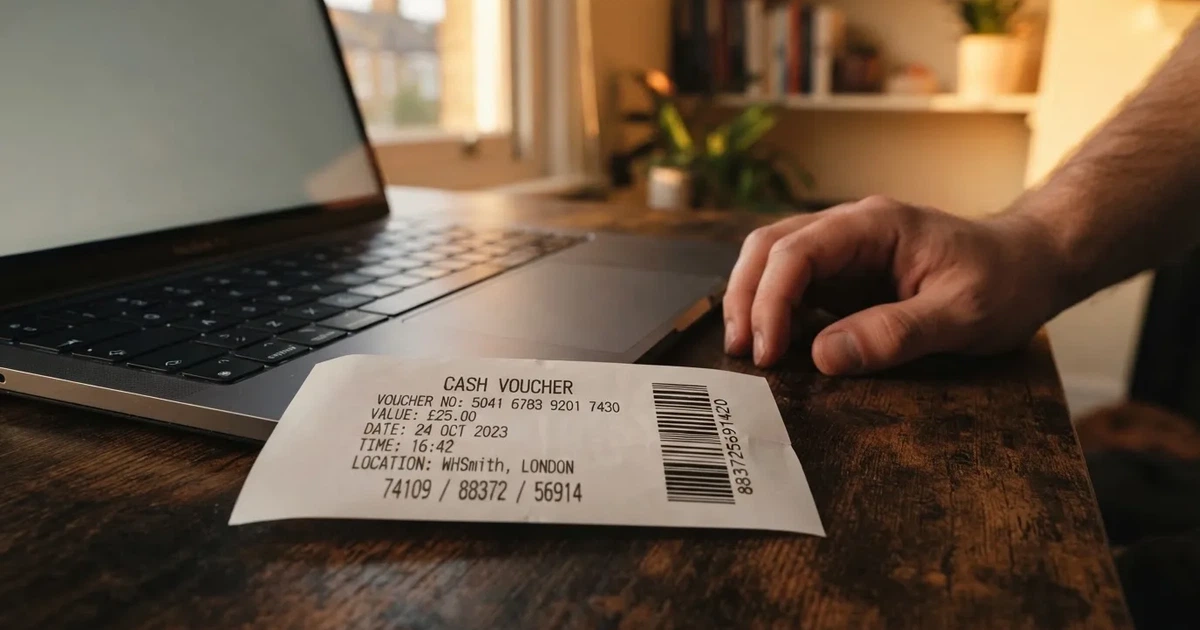
Neosurf is a prepaid voucher rather than a card or a wallet. A punter buys a printed code at a partner point of sale and types the code into the casino’s cashier — the casino receives the voucher’s face value, the punter pays it in cash at the counter. The platform itself is run by SAFE VOUCHER CH AG, and the typical denominations sold overseas run from about €10 up to €150, with availability varying by country.
A few details matter before the voucher even reaches the cashier. A Neosurf voucher is single-use: the code carries the value once, and once it has been redeemed it cannot be topped up. A punter who wants to deposit more than the voucher’s value either buys a second code or registers for a free myNeosurf account, which holds a balance across multiple codes and can be topped up further. Opening the account takes minutes and asks for no documents at first; full identity verification only becomes mandatory when a refund is requested. The platform’s own page makes that refund path plain: a 5% fee applies to refunds sent back to a bank account, and full KYC is required before the refund moves.
The voucher angle is what draws players in. A prepaid code paid for in cash at a shop is anonymous at the till, and a debit card never has to be typed into a casino cashier. That is the privacy story the marketing leans on, and it has a counterpart a reader should not have to dig for. A site that takes a Neosurf code from an Australian is the same site that the ACMA has been formally warning and blocking since 2017 — the payment method does not change what is being bought. The Interactive Gambling Act 2001 outlaws the supply of online casino games to a person in Australia regardless of the rail the money rides in on, and a prepaid voucher falls squarely inside “payment” for that purpose.
What a punter actually does at the cashier is straightforward. Pick Neosurf from the list of deposit methods, enter the 16-character code, the amount up to the voucher’s face value, and confirm. Some sites split the difference and let the punter deposit only part of the code’s value, leaving the rest on it; others require the whole balance in one go. The cashier shows the bonus selector at the same step on most of these brands, which is worth pausing on — a Neosurf deposit may or may not qualify for the headline welcome package depending on the site’s own terms, and the answer tends to live in the small print rather than on the deposit page itself.
Legality: what the Interactive Gambling Act 2001 actually says
The short version is that online casino games and online pokies cannot be lawfully supplied to anyone in Australia, no matter who holds the licence on the wall of the operator’s office. The Interactive Gambling Act 2001, strengthened by the Interactive Gambling Amendment Act 2017, makes the provision of a “prohibited interactive gambling service” an offence, and the prohibited category covers casino games, slots and in-play wagering. State and territory regulators do not license these products either; the Northern Territory Racing and Wagering Commission, which is the regulator most readers will have seen named in the small print of Sportsbet, Bet365 and Ladbrokes, regulates online bookmakers for tax reasons only and has no jurisdiction over casino games.
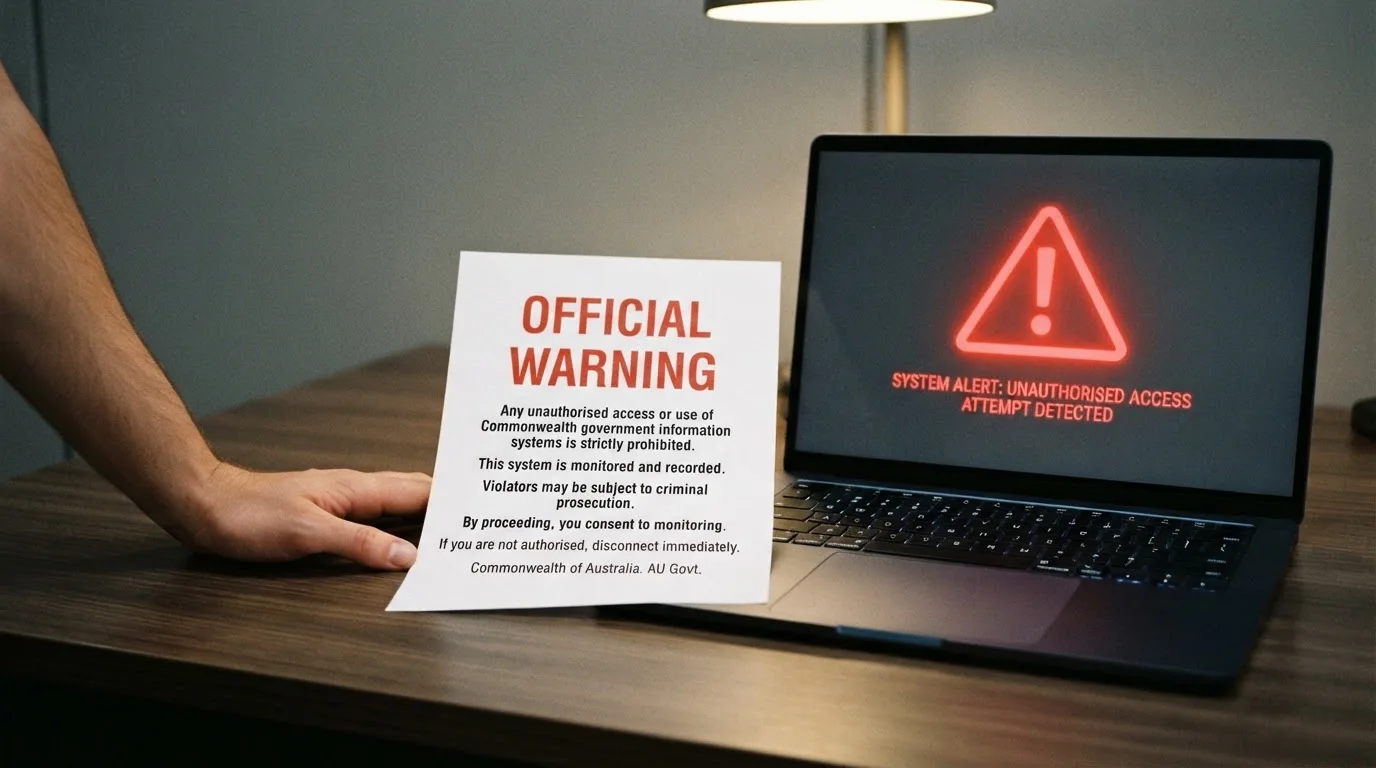
The offence sits with the provider, not the player. An Australian punter does not face prosecution for opening an account at an offshore casino and depositing with a Neosurf voucher. The cost is on the other side of the ledger: no Australian consumer protection law applies, no local disputes body has jurisdiction, and a refused withdrawal has no Australian legal backstop. The product is also one the ACMA can pull the plug on, and several balances have been left mid-play when that has happened.
What the ACMA actually does, in practice, is three things. It investigates complaints, it issues formal warnings naming the operator and the offending URL, and it directs Australian internet service providers to block illegal services. The block list has grown steadily since the first blocking request in November 2019, and as of June 2026 the running total of blocked gambling and affiliate marketing websites stood at 1,751, with more than 230 unlicensed gambling services having left the Australian market since enforcement was stepped up in 2017. The most recent round reported in June 2026 added 12 sites in one block: 7Signs, ChromaBet, Donbet, Duospin, Freshbet, Slots Gem, Jacks Club, Lucky Start, Pointsbetz.com, Spinrise, Vinyl Casino and Wildsino.
A reading of the public figure against the period it covers gives the page one of its two headline numbers. Between the first blocking request in November 2019 and the June 2026 update, 1,751 sites were blocked across roughly 80 months — an average of around 22 sites per month, with the rate skewed upward in the more recent rounds as the ACMA has shifted from single-site blocks to larger batches. The earlier years of the regime saw most action taken through formal warnings rather than blocks, so the headline rate understates the pace at which the ACMA has been clearing the market since the 2017 strengthening.
Responsible gambling: what an offshore site does not connect to
The responsible-gambling infrastructure in Australia does not reach an offshore casino, and that is the practical reason a Neosurf deposit is a step into unregulated space rather than a private alternative to a regulated one.
BetStop, the National Self-Exclusion Register, has been live since August 2023. A punter who signs up is excluded from every Australian-licensed online and phone wagering service for a period they choose. Offshore casinos are not bound by BetStop and do not query the register, which means a self-exclusion that a punter believes applies everywhere does not in fact apply at the site that took the Neosurf voucher. The same gap shows up at the payment-rail level. The big Australian banks — NAB, Commonwealth Bank and Westpac — let cardholders self-activate a gambling transaction block through their banking app, and the block applies immediately once requested. Westpac’s block works at the card level and refuses authorisation on transactions carrying the merchant category code for betting and casino gambling. ANZ extends the block to a digital wallet like Apple Pay when the underlying card is the one blocked, but turning the block off again has to wait through a 48-hour cooling-off period. None of those switches sees an offshore casino: the bank block applies to transactions on the card, and a Neosurf voucher, paid for in cash at a shop, sits outside that rail entirely.
Help lines do work, though. The National Gambling Helpline on 1800 858 858 is free, runs 24/7 and routes to Gambling Help Online for chat and counselling. A punter who feels a deposit limit has slipped should call regardless of which side of the licensing line the play sits on.
The wider harm picture is what makes the rest of this page more than academic. H2 Gambling Capital’s 2025 report estimated that Australians lose around A$3.9 billion a year to illegal gambling sites, and that the share of gambling going through legal channels fell from 74% in 2021 to 64%. That is the number the ACMA’s blocking programme is trying to push back against, and the same enforcement record above — 1,751 blocked sites and 230 services withdrawn since 2017 — is the response.
Payments and payout speed at Neosurf-accepting offshore sites
A Neosurf deposit is the fast half of the transaction. The cashier credits the account as soon as the code is validated, which for most offshore operators means seconds. The withdrawal half is where the rail gives up.
Neosurf itself does not process casino withdrawals back to a voucher. The casino receives the deposit and credits play; the refund goes back via a different method the punter picks at the cashier — typically a bank transfer, an e-wallet or, where the site supports it, a refund to a myNeosurf account that then has to be paid out to a bank. The myNeosurf refund path carries the 5% fee and the full KYC check the platform warns about; without those, the balance sits on the myNeosurf account but cannot be sent home. The chain on the casino side is what most punters will care about: a withdrawal request at an offshore operator enters the site’s manual review, where the casino’s own checks — identity, bonus compliance, anti-fraud — run before the settlement is even released. The published “instant” or “same-day” payout claim that the marketing leans on is for the rail, not the approval.
The set of options research actually backs for these sites is narrower than a typical cashier page makes it look. Instant-bank rails such as PayID and Osko are the standard at Australian-licensed wagering services and arrive in under a minute 24/7, including weekends, between participating banks — that part of the rail is real. PayID transfers also reveal the name of the account holder before the money is sent, which the platform itself flags as a way to spot scams: a request to send money to a PayID on an illegal gambling site almost certainly points at one. The PayID network sits on Australia’s New Payments Platform, which has been live since 13 February 2018 and counts more than 25 million registered identifiers as of April 2025. None of those rails closes the legal gap an offshore casino sits behind.
What an offshore casino will not accept tells the rest of the story. From 11 June 2024, Australian online wagering service providers have been banned by law from taking credit cards, credit-linked digital wallets or digital currencies as payment, with penalties of up to A$247,500 for non-compliance. A site asking an Australian for a credit-card deposit or a crypto transfer is operating outside the Australian rules, and that includes offshore brands that have copied the same cashier page from a regulated operator. By the end of 2025 Apple Pay, Google Pay and Samsung Pay transactions accounted for around 45% of all card payments in Australia by number, so a wallet that looks mainstream is no guide to whether the transaction is being routed to a licensed wagering service or to an offshore one.
A Neosurf deposit at an offshore site, then, has three quiet costs the cashier doesn’t list. First, no Australian consumer protection applies if the casino declines the withdrawal. Second, no Australian self-exclusion register binds the site, so a BetStop sign-up does not stop play there. Third, the refund half of the transaction comes with its own 5% fee and a KYC check, even before the casino’s own manual review. A punter weighing the privacy of a prepaid code against those costs is the actual decision the marketing never names.
Eleven brands the ACMA has warned: where the names come from
The list below is not a ranking. Each brand is included because the ACMA has issued a formal warning naming it for offering prohibited interactive gambling services to people in Australia — the publication itself is the reason it appears here, not a recommendation. The ACMA’s formal-warning register is the source for every entry.
| Brand | ACMA action and date | Operator named by the ACMA | Subject support |
|---|---|---|---|
| RocketPlay | March 2026 warning; earlier Dama N.V. warning, May 2022 | Pulsup Ltd | — |
| Level Up Casino | May 2022 | Dama N.V. | — |
| Woo Casino | March 2025 | Dama N.V. | — |
| Spirit Casino | May 2025 | Dama N.V. | — |
| National Casino | July 2025 | Consolutetish S.R.L. | — |
| Bizzo Casino | July 2025; earlier TechSolutions warning, 2022 | Consolutetish S.R.L. | — |
| Ignition Casino | July 2025 | Bamboo Media | — |
| Instant Casino | February 2025 | EOD Code SRL | — |
| Jackbit | April 2026 | Ryker B.V. | — |
| Casino Intense | April 2025 | Sterplay Holding Ltd | — |
| Sky Crown | September 2022 | Hollycorn N.V. | — |
The same picture keeps showing up in the third column. Eight of the eleven named operators are shelf companies registered in Curaçao or Cyprus, holding a Curaçao eGaming sub-licence through an arrangement that changed substantially in late 2024 and was reset under a new master licence structure in 2025. A Curaçao sub-licence authorises the operator to take players from jurisdictions that have not been blacklisted; it does not extend a licence to a player physically in Australia, and the ACMA’s formal warnings are the regulator’s way of recording that distinction. The remaining three are registered in other offshore jurisdictions — Sterplay Holding Ltd in Cyprus, EOD Code SRL in Costa Rica, and Bamboo Media’s structure sits behind a Canadian mailing address. None of these licences reaches a player the IGA catches.
RocketPlay
The most recent of the eleven warnings names Pulsup Ltd over Rocketplay.com.au, published in March 2026, and the brand had already been the subject of an earlier Dama N.V. warning covering six brands in May 2022 — Rocketplay was on that list. Two ACMA actions over the same brand in four years is more than the median here, and the second one was triggered specifically by the .com.au mirror that landed the Pulsup Ltd name on the formal-warning register. No research source documents a Neosurf deposit flow at this brand; the cashier pages it has published to offshore markets list Visa, Mastercard and crypto alongside voucher methods, but nothing on the ACMA’s file or in the operator’s own current Australian-facing pages confirms a Neosurf-specific rail for Australian customers.
Level Up Casino
Level Up Casino was named in the same Dama N.V. May 2022 warning that covered Rocketplay, Bambet, Dazard, Wild Tornado and Cobra Casinos — six brands on one operator. The pattern is typical of the offshore sector: one corporate vehicle holds a stack of skins, each with its own front-end and welcome package, and a single formal warning covers all of them at once. The brand’s own published cashier pages mention a payments portfolio rather than a Neosurf-specific module, so research classifies the brand as listing-only without confirmation of a Neosurf rail.
Woo Casino
Woo Casino drew its own standalone ACMA warning in March 2025, again naming Dama N.V. — the same operator that took the 2022 round and the 2025 Spirit Casino warning two months later. Two further formal warnings over Woo Casino since the 2022 batch is itself a record; the ACMA’s file notes a continuing offer of prohibited services after the first warning was issued. The brand’s Australian-facing marketing material lists a payments page without naming Neosurf in any source research could verify.
Spirit Casino
Spirit Casino’s formal warning landed in May 2025, two months after Woo Casino’s, again naming Dama N.V. Two warnings to the same operator over different brands inside ten weeks is the kind of pattern the ACMA’s enforcement guidance has flagged as escalating, and the next round of action against the same operator tends to shift from warnings to ISP-level blocking requests. Spirit Casino’s own payments page lists the same stack of methods as the rest of the Dama portfolio and does not document a Neosurf-specific flow.
National Casino
National Casino’s warning came in July 2025, naming Consolutetish S.R.L. as the operator, with the same July 2025 round also catching Bizzo Casino under the same operator name. Consolutetish S.R.L. is the third shelf-company vehicle on this list after the two Dama N.V. appearances. National Casino’s Australian-facing pages list voucher methods at the cashier without identifying the specific provider in the sources research could verify, so its status remains unconfirmed.
Bizzo Casino
Bizzo Casino was the subject of a 2022 formal warning to TechSolutions (CY) Group Limited and TechSolutions Group N.V., then a second warning to Consolutetish S.R.L. in July 2025 — the same Consolutetish entity named in the National Casino warning two months later. Two formal warnings over the same brand to two different operators across three years is the only such pair on the ACMA’s register, and the second warning specifically records a continuing offer after the first. Bizzo’s own cashier pages list payments methods without documenting a Neosurf rail specifically.
Ignition Casino
Ignition Casino’s July 2025 warning names Bamboo Media, which is the only entity on this list operating from behind a Canadian rather than a Curaçao or Cypriot address. The brand has historically marketed itself to Australian poker and pokies players, and the ACMA’s July 2025 warning covered the .com mirror that had been the main Australian entry point. Evidence of Neosurf usage at Ignition remains absent from all available research sources.
Instant Casino
Instant Casino’s February 2025 warning named EOD Code SRL, registered in Costa Rica, and is the only Central American operator on the list. The brand’s published cashier pages list a payments stack that includes voucher methods in some markets; no specific data points confirm a Neosurf integration for the Australian market.
Jackbit
Jackbit’s warning landed in April 2026, naming Ryker B.V., with the same April 2026 round also covering CasinOK. Ryker B.V. is the most recently registered operator on this list, and the brand has a notable feature on its own terms: a strong crypto focus, with most cashier pages documenting Bitcoin, Ethereum and a stack of altcoins rather than voucher methods. No source research could verify documents a Neosurf rail at Jackbit.
Casino Intense
Casino Intense’s April 2025 warning named Sterplay Holding Ltd, registered in Cyprus. The brand’s cashier pages list a payments stack including voucher methods; research lists it as a generic provider, but cannot verify if a Neosurf module is specifically active for Australian users.
Sky Crown
Sky Crown’s formal warning names Hollycorn N.V., the same Curaçao-registered operator that runs Blue Leo and a stack of other skins. The original warning publication dates to September 2022, making it the oldest formal warning still on this list by date of action. The brand’s payments pages list a stack of methods and do not document a Neosurf-specific flow.
The pattern across the eleven is the same: a stack of brands on a small number of corporate vehicles, each warning a step in an enforcement record the ACMA has been building since 2017. None of them is a recommended place to play. What they are is a map of where the marketing pages a punter might meet through a search actually sit on the legal side of the question.
What this means for a punter weighing a Neosurf deposit
Three pieces of practical advice follow from the picture above, and they apply regardless of which brand the marketing has reached first.
First, the legal status does not change with the payment method. A Neosurf voucher paid for in cash at a shop is still a payment for a prohibited interactive gambling service under the IGA, and the operator is the entity the regulator targets. The privacy that a prepaid code gives at the till does not reach the casino’s own data handling once the deposit has cleared.
Second, the responsible-gambling tools that work in the regulated market do not reach these sites. BetStop does not bind them, the bank gambling block does not see a Neosurf code paid for in cash, and a self-exclusion taken at a licensed Australian bookmaker does not stop play at an offshore casino. The only consumer backstops a punter has are the platform’s own refund flow — with its 5% fee and KYC check — and the credit-card and crypto ban, which only applies to Australian-licensed wagering services anyway.
Third, the ACMA’s blocking programme is a moving target. The June 2026 round cleared twelve sites in one batch, and the average monthly block rate has run at roughly 22 sites since the first blocking request in November 2019. A brand that took a Neosurf deposit last month may be on the block list next month, with the punter’s balance trapped behind it. A punter who treats the blocking rate as a current snapshot rather than a moving total is making a calculation against a moving number.
The legal alternative the marketing never mentions sits closer to home. The Northern Territory Racing and Wagering Commission regulates 52 of Australia’s online bookmakers — including Sportsbet, Bet365 and Ladbrokes — for wagering on races and sport before the event, and the commission has no full-time staff and meets once a month in Darwin. Lotteries and keno are licensable separately. None of these is a casino game or an online pokie. The product the marketing is selling is, by design, outside the licensed space.
Frequently asked questions
Is it legal for an online casino to accept Neosurf from a player in Australia?
No. Under the Interactive Gambling Act 2001 as strengthened by the 2017 amendment, online casino games and online pokies cannot be lawfully supplied to a person in Australia at all, regardless of payment method. The ACMA enforces the prohibition through formal warnings and ISP-level blocking; the individual player is not prosecuted, but the offshore operator is.
What is the smallest deposit a Neosurf casino site usually asks for?
Neosurf vouchers are typically sold in denominations equivalent to €10 to €150, with availability varying by country. The casino’s own minimum deposit is set separately by the operator and usually sits between A$10 and A$20; a voucher below that face value cannot be redeemed at the cashier.
Does a Neosurf withdrawal clear any faster than a card withdrawal at these sites?
No, because Neosurf is not a withdrawal rail at all. The deposit arrives in seconds; the refund goes back via a different method the punter picks at the cashier — typically a bank transfer or e-wallet — and the casino’s own manual review runs first. The published “instant” payout figures refer to the rail, not the approval.
Can Neosurf be used at every offshore pokies-style site, or only some of them?
Only some. Offshore operators publish their own cashier pages, and the methods listed vary from brand to brand. Where research verified a Neosurf listing, the subject is recorded as listings-only; where it could not, the operator is left off that column entirely. None of the eleven operators in this article’s ranking has research confirming a Neosurf-specific rail at the brand level.
Does depositing with Neosurf add an extra fee at these casino sites?
Neosurf itself does not charge a fee to deposit at a merchant site. The fee surfaces on the refund path: a myNeosurf refund to a bank account carries a 5% platform fee and requires full KYC verification. The casino’s own cashier may also impose a fee on the withdrawal method the punter picks to receive the refund.