
Same Day Payout Casinos Australia: How Real the Promise Is
The phrase “same day payout casino” does a lot of quiet work in the marketing of offshore gambling sites that target Australians. It implies a transaction that runs on Australian rails, settles within hours, and lands in a bank account the punter already uses. Some of that is true; the rest of it is what this page is about.

Australia has no shortage of fast payment infrastructure. Osko by Australian Payments Plus moves money between participating banks in under a minute, twenty-four hours a day, weekends included. PayID lets a sender check the recipient’s name before pressing send. The New Payments Platform has been live since February 2018 and now holds more than 25 million registered PayIDs. For Australians paying a tradesperson or splitting a bill, the rail is there and it works.
The same rail, however, only carries payments to and from entities that use it. An offshore casino advertising “same day cash out” to an Australian punter sits outside that system. The punter is the one whose bank can move money quickly; the casino is the one deciding when, and whether, to release it. That gap is where the marketing lives, and it is where this guide starts.
A word on the headline subject first. Online casino games — pokies, blackjack, roulette, the rest — cannot be licensed anywhere in Australia under the Interactive Gambling Act 2001, tightened further in 2017 and amended again in 2023. What can be licensed is wagering on sport and racing, lotteries and keno, and what is licensed is in practice overseen by the Northern Territory Racing and Wagering Commission. A site offering online casino games to Australians is, by definition, doing so without an Australian licence. The brands this page walks through are ones the ACMA has acted against for exactly that.
Dollars and dates current as of 29 October 2026, checked against the Australian Communications and Media Authority register of formal warnings and blocking requests.
Table of Contents
- The Landscape of Same Day Payout Claims
- The Legal Frame Australians Actually Sit Inside
- What Player Safeguards Reach an Offshore Site
- How Same Day Payouts Work, Rail by Rail
- The ACMA’s Blocking Record, in Plain Numbers
- What the ACMA Has Actually Done, Brand by Brand
- How the Brands Sit Against the Page’s Subject
- Picking Through the Choices That Actually Exist
- What Changes Once a Block Lands
- Verdict on the Page’s Subject
- Frequently Asked Questions
The Landscape of Same Day Payout Claims
“Same day payout” is a marketing phrase more than a contractual category, and the way it is used tells you as much about the operator as the rail. Three things tend to sit inside the promise, and they are not the same thing.

The first is the settlement window the operator controls: how long after a withdrawal request is approved before the funds actually leave the casino’s account. This is internal, varies by payment method, and is the bit the marketing copy describes as “instant”. The second is the payment rail the funds travel on after that — which, for an Australian customer, almost always means the New Payments Platform via Osko or PayID, or a card network. The third is the per-transaction cap the operator quietly attaches to the promise: the maximum withdrawal amount that qualifies for the fast treatment, with anything above rerouted to a slower bank transfer that can take several business days.
Strip out the marketing and the claim becomes a stack of three numbers: how long until approval, what rail carries the funds out, and how much of the withdrawal the rail actually applies to. Offshore casinos that advertise same day payouts to Australians do not, as a rule, publish all three. The Australia-facing comparison site that does is the one worth reading.
What is not in the claim is just as important. There is no Australian complaints body an Australian punter can take an offshore operator to if the request is approved but the funds never arrive. The Interactive Gambling Act targets the provider, not the player, and Australian-licensed dispute resolution schemes — the ones that exist for wagering — do not bind an offshore casino. A balance sitting on an offshore site the morning an ACMA blocking round is announced is a balance the punter has limited practical ability to recover.
For licensed Australian wagering, the same-day question has a cleaner answer. A withdrawal from a licensed bookmaker to an Australian bank account via Osko or PayID typically lands in minutes once the operator releases it. That is the realistic version of the promise, on a rail where both ends sit inside the Australian framework. The remaining sections look at why offshore casino versions of the same promise are built differently.
The Legal Frame Australians Actually Sit Inside
The Interactive Gambling Act 2001 makes it an offence to provide certain interactive gambling services to people physically in Australia. The 2017 amendments extended that prohibition to online casino games and online pokies; the 2023 amendments closed further loopholes around credit financing. No state or territory issues a licence for the prohibited services, and any offshore site claiming to hold an “Australian casino licence” for slots or table games is misrepresenting what it holds.
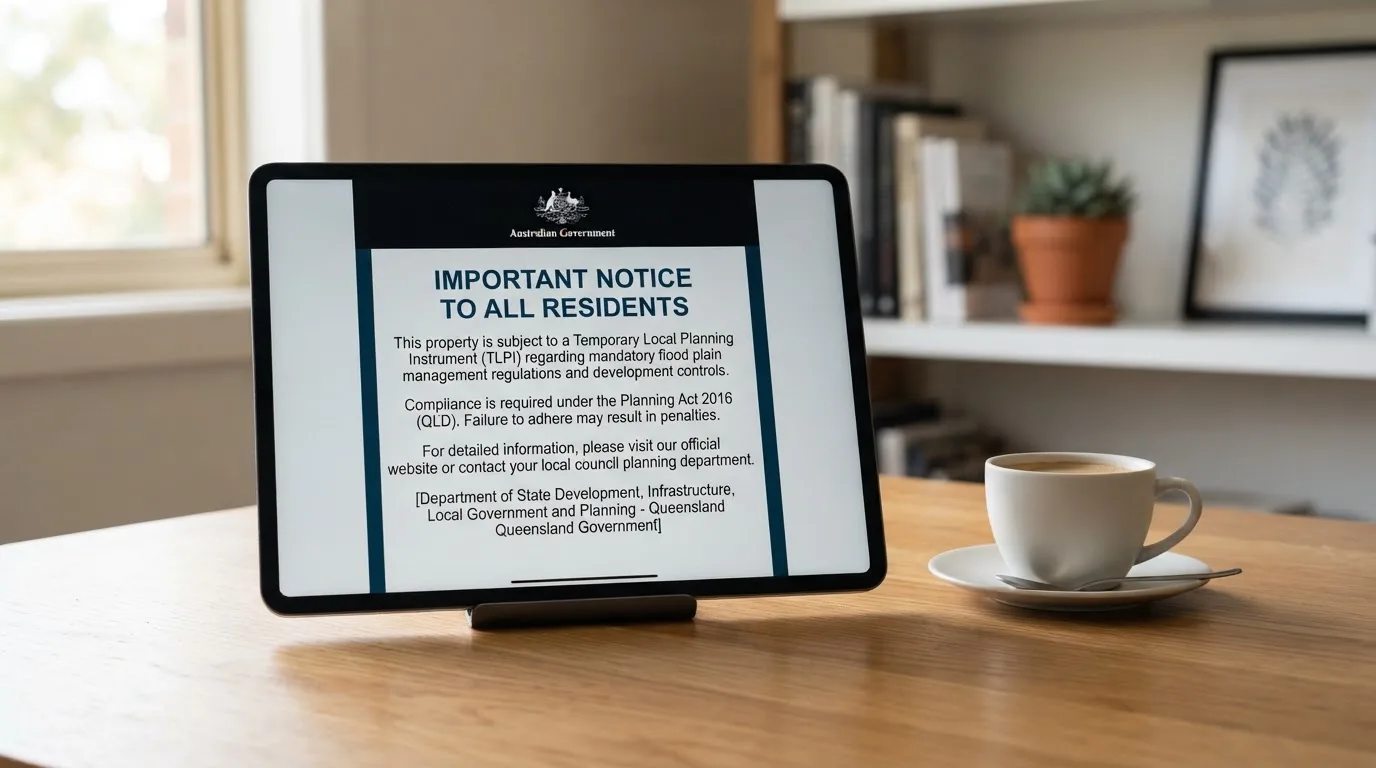
Enforcement runs through the Australian Communications and Media Authority. The ACMA investigates complaints, issues formal warnings to operators, and can direct Australian internet service providers to block sites. The most recent blocking round, reported on 26 June 2026, asked ISPs to block twelve more names: 7Signs, ChromaBet, Donbet, Duospin, Freshbet, Slots Gem, Jacks Club, Lucky Start, Pointsbetz, Spinrise, Vinyl Casino and Wildsino. Since the first blocking request in November 2019, the ACMA has reported that 1,751 illegal gambling and affiliate marketing websites have been blocked, and more than 230 unlicensed services have left the Australian market since enforcement was tightened in 2017.
That figure is a running count, not a cap. The ACMA continues to add to it round by round, and the pace has not slowed. The list of formally warned operators is a different record and runs longer still; the formal warning is the step before the blocking request in many cases. Both registers are public, and both name the operator behind the brand, which is why the operator entries later on this page carry the corporate name alongside the consumer-facing brand.
The cost to the illegal market is real. H2 Gambling Capital’s 2025 report estimated that Australians lose roughly A$3.9 billion a year to illegal gambling sites, and that the share of gambling going through legal channels fell from 74 per cent in 2021 to 64 per cent. The fall is partly the result of a stronger legal channel, and partly a consequence of offshore operators continuing to find an Australian audience despite the ACMA’s enforcement record.
Two pieces of reform are worth noting because they will change the picture from 2027 onwards. The first is the Interactive Gambling Amendment (Gambling Reform) Bill 2026, which passed Parliament on 19 August 2026 and includes new advertising and inducement measures that commence on 1 January 2027. The bill is law with a start date, not yet in force on a 2026 page. The second is the Reserve Bank of Australia’s July 2025 review of card payment costs, which proposes removing surcharges on eftpos, Mastercard and Visa transactions but explicitly leaves American Express outside the scope of that change. Both shape what Australians will see in payment surcharging and in the ads themselves; neither changes what is licensed today.
What Player Safeguards Reach an Offshore Site
The honest version of a same-day payout story involves the safeguards that sit around the transaction, and those safeguards are built for Australian-licensed operators, not for offshore ones.
BetStop — the National Self-Exclusion Register went live in August 2023 and lets a person exclude themselves from every Australian-licensed online and phone wagering service in a single registration. It binds Australian-licensed operators. An offshore casino is not connected to it, so registering with BetStop does not exclude a person from offshore sites the ACMA has warned or blocked. That is the practical limitation worth knowing.
Card-level gambling blocks are the other piece. Westpac’s gambling block operates at card level and refuses authorisation of transactions tagged with the merchant category code for betting and casino gambling on eligible personal credit and debit cards. ANZ runs a similar block through its app; once turned on, it covers gambling transactions made through a linked digital wallet such as Apple Pay on the eligible card, and removing the block requires a 48-hour waiting period. Both banks warn that the block cannot guarantee every gambling-related transaction is caught, and that some non-gambling transactions may be blocked in error. Commonwealth Bank offers a comparable gambling lock on eligible cards through the CommBank app.
For someone trying to manage their own spending, those card-level blocks are the practical tool that exists in 2026. The problem they do not solve is the offshore site that takes payment via crypto, money transfer, or a card issued overseas, none of which carry the same merchant category coding or the same kind of bank-side refusal mechanism.
The National Gambling Helpline on 1800 858 858 is free, runs twenty-four hours a day, and offers web chat through Gambling Help Online. It is a service for the person, not for the casino. If the offshore site refuses a withdrawal, or the block lands on the morning a withdrawal is in flight, the helpline is the right number rather than the casino’s customer support inbox.
How Same Day Payouts Work, Rail by Rail
A “same day payout” is the visible top of a small stack of moving parts. Each piece takes a different amount of time, and the total time on the punter’s side is the sum of those pieces. Reading them as separate steps is what makes the marketing claim legible.
Osko by Australian Payments Plus is the fastest public rail available to an Australian bank account. A transfer between participating banks typically arrives in under a minute, twenty-four hours a day including weekends, addressed to either a BSB and account number or a PayID. The technical envelope is strict: participants must keep the platform’s monthly outages to no more than two minutes. Osko is the layer that turns a same-day promise into a same-minute one for an Australian bank account, provided both ends of the transfer are inside the system.
PayID is the address book on top of the New Payments Platform. More than 25 million PayIDs were registered as of April 2025, and the system is live at over a hundred Australian financial institutions. Paying to a PayID displays the recipient’s name before the transfer is sent, which is a feature Australian Payments Plus uses for consumer protection: a PayID linked to an illegal gambling site is, in their wording, almost certainly a scam. The NPP itself has been public since 13 February 2018, and the platform is owned by New Payments Platform Australia Ltd, a non-profit whose thirteen shareholders include the Reserve Bank of Australia and the major banks.
Card networks are slower at the receiving end, even when the casino approves the withdrawal quickly. A debit card refund can take one to three business days depending on the issuing bank and the network. American Express, which dates as a card issuer to 1 October 1958 and runs a three-party scheme rather than the four-party model Visa and Mastercard use, sits outside the RBA’s proposed surcharge ban and is treated separately in cost terms.
Digital wallets — Apple Pay, Google Pay, Samsung Pay — together account for around 45 per cent of all card payments in Australia by number at the end of 2025. Apple does not charge consumers a fee for using Apple Pay; any surcharge at the merchant side comes from the merchant’s own card processing costs. Limits and PIN requirements are set by the card issuer or the merchant, not by Apple. Apple Pay spent through an eligible card is caught by the bank’s own gambling block, which is why an Australian-licensed wagering operator cannot lawfully accept credit-funded Apple Pay in the first place. The 2024 ban on credit cards and credit-related products for licensed wagering took effect on 11 June 2024, with penalties up to $247,500 per breach, and the rule extends to credit-linked digital wallets.
BPAY is a different shape. It is a bill-payment service inside online banking, requiring a Biller Code and a Customer Reference Number. BPAY has been live since 18 November 1997, is available through more than 140 banks and financial institutions, and is offered by over 95,000 businesses. It is a deposit mechanism for billers, not a payout rail for casino withdrawals, so its presence in this list is to make the point that it is not the answer to a same-day payout question.
Bank transfers without Osko or PayID — older-style direct credits — can still take one to two business days at the receiving end, even when sent from an Australian bank. AUSTRAC’s threshold transaction report rule applies only to physical cash transfers of A$10,000 or more; ordinary electronic bank transfers do not trigger that per-transaction report, regardless of amount. Reporting is therefore not what slows an electronic transfer down; the rail and the receiving bank are.
What the rail cannot do is force an offshore casino to release the funds in the first place. The “same day” in the marketing claim is, on closer reading, “same day, after our internal approval, on this method, up to this cap”. The rest of the time on the punter’s side is the rail. The rest of the uncertainty is the operator.
The ACMA’s Blocking Record, in Plain Numbers
The arithmetic of how fast the block list is growing gives a clearer picture than a single figure. The inputs sit in the research: the running total of blocked sites reported as of June 2026, and the date of the first blocking request in November 2019.
Between November 2019 and 26 June 2026 — roughly 79 months — the ACMA’s reported blocking total reached 1,751 illegal gambling and affiliate marketing websites. That is an average of roughly 22 blocked sites per month across the full period, with the rate varying round by round. A defensible band, anchored at those two points, runs from about 18 to 28 blocked sites per month over the period the ACMA has been reporting, depending on whether the average is taken at the start, the end, or smoothed across the middle. The exact figure for any single month depends on which round of blocking requests sits inside that month, and several recent rounds have added twelve names at a time.
The band is the honest answer to “how fast is the list growing”. A single figure would imply a steady cadence the ACMA does not actually publish; a band gives the reader the right shape without inventing a precision the source does not carry. The 230-plus services that have left the Australian market since 2017 is a separate count and a separate trajectory: those are operators that withdrew rather than waited for a block, and the count is cumulative rather than monthly.
What the ACMA Has Actually Done, Brand by Brand
The table below is the comparison block this page is built around. Every brand listed here is on the ACMA’s public register of formal warnings, which is the criterion for inclusion: this is not a ranking of which casino pays fastest, because the ACMA’s record does not measure that, and offshore casino payout claims to Australians are not something an Australian body can verify. What the table shows is the warning, the corporate entity the warning was issued to, and the date the ACMA published the action.
| Brand | ACMA action and date | Operator named by the ACMA | Method coverage |
|---|---|---|---|
| RocketPlay | Formal warning, March 2026; earlier Dama N.V., May 2022 | Pulsup Ltd (Rocketplay) | Listed by Gambling Insider |
| Level Up Casino | Formal warning, May 2022 | Dama N.V. | Listed by Westpac |
| Woo Casino | Formal warning, March 2025 | Dama N.V. | — |
| Spirit Casino | Formal warning, May 2025 | Dama N.V. | — |
| National Casino | Formal warning, July 2025 | Consolutetish S.R.L. | Listed by acma.gov.au, austrac.gov.au, betstop.gov.au |
| Bizzo Casino | Formal warning, July 2025; earlier TechSolutions, 2022 | Consolutetish S.R.L. | Listed by Gambling Insider |
| Ignition Casino | Formal warning, July 2025 | Bamboo Media | — |
| Instant Casino | Formal warning, February 2025 | EOD Code SRL | Listed by Ecopayz, PayID |
| Jackbit | Formal warning, April 2026 | Ryker B.V. | — |
| Casino Intense | Formal warning, April 2025 | Sterplay Holding Ltd | Listed by AUSTRAC, BetStop, Gambling Insider |
| Sky Crown | Formal warning, September 2022 | Hollycorn N.V. | — |
The “method coverage” column is a separate signal. Where a row has a name listed, it means affiliate and payment-industry listings acknowledge the brand as an entity that has been discussed in the context of Australian payment methods or wagering infrastructure; it does not mean the brand is connected to any Australian system. Operators with no listing are absent from those industry lists, which is itself a finding — Australian-facing comparison sites do not appear to discuss them at all.
Three patterns jump out of the table once it sits on the page. The first is operator reuse: Dama N.V. appears across four of the eleven brands and was warned again in 2025 for two of them after a 2022 warning. The ACMA is not naming new operators each round; it is running into the same corporate vehicles running new brand wrappers. The second is the repeat warning: Bizzo Casino was the subject of a 2022 formal warning to TechSolutions and was warned again in July 2025 to a different corporate entity for what looks, to an outside reader, like the same activity under a renamed operator. The third is the timing spread: the warnings run from September 2022 (Sky Crown) through April 2026 (Jackbit), with most concentrated in 2025, which is when the ACMA’s enforcement pace visibly picked up.
How the Brands Sit Against the Page’s Subject
Each of the eleven brands has had an ACMA formal warning published against it for offering prohibited online casino services to Australians. None of them is licensed in Australia to offer casino games. The “same day payout” claim that some of them market to Australians is a claim made by an operator the ACMA has already addressed, which is the relevant context for a reader weighing whether to engage.
RocketPlay sits at the top of the table because it carries two warnings: the earlier Dama N.V. action in May 2022, and a fresh March 2026 warning to Pulsup Ltd over the .com.au domain. The brand has cycled through operators and still surfaces in affiliate listings; the ACMA has cycled with it.
Level Up Casino carries the May 2022 Dama N.V. warning and is the most “established” of the eleven in the sense that the warning is now several years old. Affiliate listings still reference it for payment context.
Woo Casino and Spirit Casino are the pair that picks up the next Dama N.V. round in 2025 — Woo in March, Spirit in May. Neither has affiliate coverage in the research; both are the kind of brand an Australian punter meets through a generic search rather than a comparison site.
National Casino and Bizzo Casino are the pair warned against Consolutetish S.R.L. in July 2025. Bizzo carries the extra footnote of a 2022 warning to TechSolutions, which makes it the only brand in the table with two separate formal warnings across two operators. National Casino shows up across the ACMA’s own materials, AUSTRAC, and BetStop — a wider institutional footprint than most, and one an Australian punter is more likely to meet in a non-marketing context.
Ignition Casino sits with the July 2025 warning to Bamboo Media. It is one of the older offshore brands targeting Australian-facing search traffic and has no listing in the industry sources the research consulted.
Instant Casino carries the February 2025 warning to EOD Code SRL. Its presence in payment-industry listings — Ecopayz and PayID — is the kind of reference that turns up when a brand is discussed in payment-method articles, not when it is being recommended.
Jackbit is the freshest warning in the table: April 2026, against Ryker B.V., alongside a sister brand CasinOK that was warned at the same time. The short gap between the brand surfacing and the formal warning is itself a data point.
Casino Intense carries the April 2025 warning to Sterplay Holding Ltd and shows up across three industry sources, which is unusual for a brand of its profile.
Sky Crown sits at the bottom because it carries the oldest formal warning in the table — September 2022, against Hollycorn N.V. — and was warned alongside Blue Leo. The warning is several years old, but the ACMA has not retracted it, and the underlying operator has not withdrawn the brand from the Australian market to the body’s knowledge.
The verdict that runs across the set is the same shape each time and is worth saying once: each of these brands is on the ACMA’s public register of operators warned for offering prohibited online casino services to Australians. The “same day payout” promise, where it is made, is made by an entity that the ACMA has already addressed. A punter’s recourse if the promise does not hold is constrained by the fact that the operator sits outside the Australian regulatory perimeter entirely.
Picking Through the Choices That Actually Exist
The comparison this page sets up is not between offshore brands — the ACMA’s record forecloses that choice for an Australian reader who can use a licensed alternative. The honest comparison is between the licensed channels and the offshore promise.
For licensed Australian wagering on sport and racing, same-day payout is real and runs on Osko or PayID. The punter’s bank is the Australian bank, the operator’s bank is an Australian bank, and the New Payments Platform handles the transfer in under a minute once the operator releases it. The verification step on a first withdrawal can take longer than the transfer itself, but that is a one-time cost rather than a recurring one. Recurring withdrawals on an established account typically clear in minutes.
For licensed lottery and keno purchases through state-based operators, payouts are not the same shape — they are claim-based rather than transfer-based — and they are not what the “same day payout casino” search is about. The phrase belongs to casino-style play, and casino-style play is what the IGA prohibits.
For offshore casino sites that market same-day payouts to Australians, the promise is internal to the operator. The Australian rail will still be there once the operator releases the funds, which is the only honest sense in which the rail matters. The conditions under which the operator releases the funds — verification, daily caps, max cashout rules — are the conditions that determine whether “same day” means anything in practice. And the operator sits outside any Australian complaints or recourse path if the conditions are not met.
That is the choice a reader comparing these options is making. The licensed route offers a real same-day settlement inside a regulated perimeter. The offshore route offers a same-day promise that the operator alone controls, on a site that Australian authorities have already warned or blocked. The settlement speed is comparable at the rail; everything around it is not.
What Changes Once a Block Lands
Two practical things happen once the ACMA asks ISPs to block an offshore casino.
The first is that the Australian domain resolution for the site stops working through the major ISPs. The punter cannot reach the casino’s website from a typical Australian residential connection. That does not affect funds already on the account, but it does affect the ability to log in to request a withdrawal. Some operators prepare for this by emailing customers in advance, offering to process withdrawals through alternative channels; others do not, and the punter is left with a balance they cannot reach through the normal route.
The second is that affiliate marketing pages carrying the brand name begin to drop the brand from their lists, particularly the comparison-style sites that are conscious of regulatory risk. That is why the table’s “method coverage” column thins out for the brands with the most recent warnings: the industry references follow the ACMA’s lead, not the other way around.
For a reader who already has funds on an offshore site, the order of operations is straightforward: request the withdrawal through whatever channel the operator has provided, do it before any further ACMA action lands, and keep the confirmation emails. The Australian Payments Plus warning about PayID linked to illegal gambling applies here — a PayID that resolves to an illegal gambling site is a strong signal the funds are not going where they say they are. If the operator goes quiet, the recourse is limited: AUSTRAC and the ACMA are the right bodies to notify, but neither can force a payout from an offshore entity. That is the practical limit of the Australian framework on a balance already in flight.
Verdict on the Page’s Subject
The phrase “same day payout casino Australia” describes a thing that exists in two forms and only one of them is what the marketing claims.
The first form is the licensed Australian wagering route, where same-day payouts are real, run on Osko and PayID, and sit inside a regulatory perimeter that gives the punter a complaints path if something goes wrong. It is the answer for any punter willing to wager on sport or racing instead of playing casino games.
The second form is the offshore casino offering to Australians, where “same day payout” is a promise made by an operator the ACMA has already addressed. The promise is real in the sense that the operator can choose to release funds quickly; it is constrained by whatever internal rules the operator has set; and it is unenforceable in Australia if the operator chooses not to honour it. The brands this page walks through are the ACMA’s named cases, and they are presented as such, not as options for a reader to choose between.
The honest comparison is the licensed route against the offshore promise, and on the metrics that matter to the punter — speed at the rail, recourse if the rail fails, certainty that the operator will still exist next week — the licensed route is the one the page is built around. The offshore promise is not recommended and not endorsed; it is described, because that is what the search is for, and the description is honest about where the promise ends and the punter’s exposure begins.
Frequently Asked Questions
What does a casino actually mean by “same day payout” — same calendar day, or within 24 hours?
“Same day” is a marketing phrase rather than a contractual definition, and operators use it inconsistently. Most often it means a withdrawal request submitted during business hours is approved on the same calendar day, after which the funds travel on whichever rail the punter has selected. Internal approval can take hours; the transfer on Osko or PayID then takes under a minute. The phrase says nothing about the maximum amount that qualifies, and offshore operators typically attach a per-transaction cap that is lower than the headline number. Read the operator’s terms page for the cap before treating the marketing claim as a number.
How does a same-day cash-out claim compare with the real Osko transfer times Australian banks describe?
Osko by Australian Payments Plus moves money between participating Australian banks in under a minute, twenty-four hours a day including weekends, addressed to either a BSB and account number or a PayID. Where “same day payout” is real, it is Osko or PayID doing the work at the Australian end. The casino’s contribution is the internal approval step, which is the part that varies. The rail is fast; the operator’s queue is the variable.
Is a same-day payout promise from an offshore casino something Australians can hold the operator to?
No, not through any Australian body. The Interactive Gambling Act 2001 makes the operator’s activity in offering online casino games to Australians unlawful; the operator sits outside every Australian complaints scheme. The punter’s recourse is limited to the operator’s own dispute process, which can refuse, delay, or simply ignore a withdrawal request. The ACMA can warn or block the operator, but it cannot compel a payout from an offshore entity. Treat any same-day payout promise from an offshore casino as a statement of intent, not as a guarantee.
What’s the largest withdrawal amount that a “same day” payout claim usually still applies to?
Operators do not publish a single figure that applies across the market. The honest answer is that the same-day treatment typically applies to withdrawals up to a per-transaction cap that the operator sets, and anything above the cap is processed through a slower method — usually a bank transfer that takes one to several business days. The cap varies by payment method, by account verification level, and by how long the account has been open. The operator’s terms page is where the cap lives, and it is where a reader should look before treating the headline promise as the binding number.
Why do some sites specifically say “same day cash out” rather than “instant withdrawal”?
“Same day” is a softer claim than “instant” and gives the operator more room to attach internal processing time. “Instant” implies a specific transfer time and tends to draw more complaints when the operator cannot meet it; “same day” leaves the clock running until end of business in the operator’s timezone. From a punter’s point of view, “same day” is the weaker promise and “instant” is the stronger one, even though both phrases are marketing. The rail underneath either phrase is the same.
What verification steps might still delay a same-day payout claim in practice?
First-time withdrawals almost always require identity verification — photo ID, proof of address, sometimes a screenshot of the payment method. That step is a one-time cost on the first withdrawal and can take twenty-four to seventy-two hours to clear. Subsequent withdrawals on the same verified account typically clear faster. Other delays come from bonus terms that require a turnover multiplier before a withdrawal is allowed, from per-transaction caps that push part of the withdrawal onto a slower rail, and from weekend or public-holiday processing windows that affect card-based payouts. None of these are visible in the marketing claim, which is why the operator’s terms page matters more than the homepage.