
Pay-by-Phone-Bill Casinos in Australia: The Cost a Marketing Line Hides
Carrier billing sounds like a convenience. Tap a number on a casino cashier, confirm by SMS, and the deposit appears as a line on the next mobile bill. The pitch travels that way because it is shorter than the truth. What the line actually delivers is a payment route that bypasses Australian consumer safeguards, runs through processors based outside the country, and lands on sites the ACMA has been formally warning about for years. In 2026, no state or territory licenses an online casino in Australia. Anything in this category is offshore, with the offshore rules that follow from that.
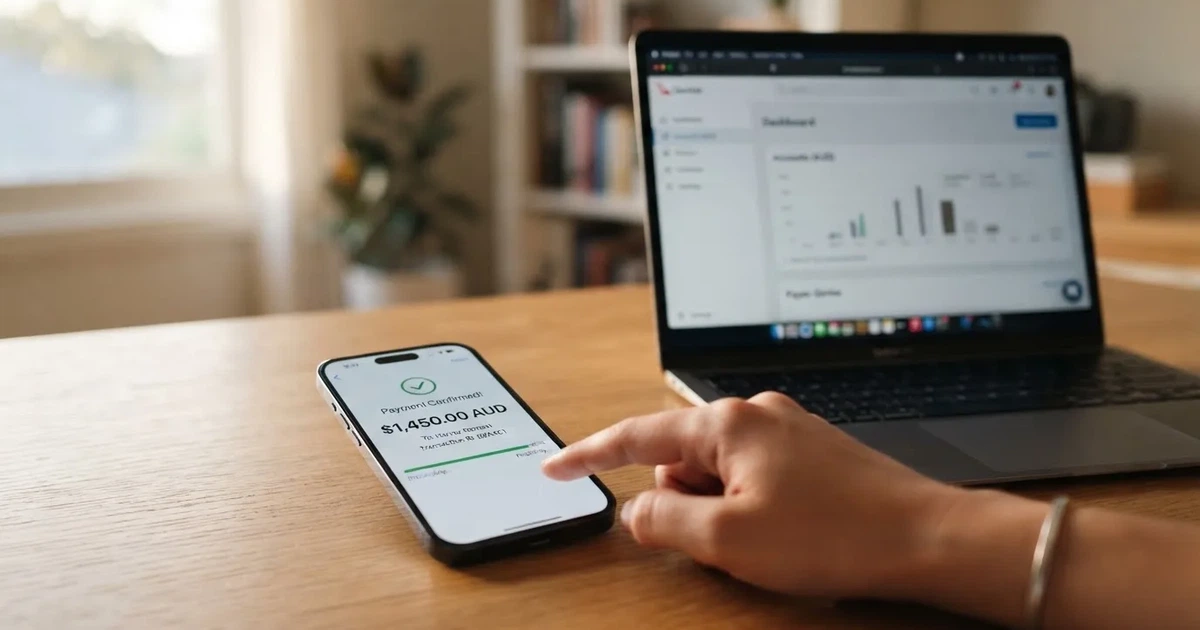
The figures on this page come from the ACMA’s published enforcement record, from carrier-billing providers’ own disclosures, and from Australian Payments Plus data on the rail a phone-bill deposit does and does not touch. The prices, the warnings and the speed claims are read against what those sources actually say, not against what affiliate pages repeat. Where the data is thin, the page says so; where it is firm, the page says what it costs.
Data current as of 29 October 2026, cross-checked against the ACMA’s published register of formal warnings and blocking actions.
Table of Contents
- What a Pay-by-Phone Casino Deposit Is, in Plain Terms
- The ACMA’s Enforcement Record, and What the Blocking Rate Looks Like
- Legality: Why Every Brand in the Comparison Below Sits Offshore
- Responsible Play: Why This Page Puts Support Services Next to the Comparison
- Payments and Payout Speed: The Rail Compared with Its Australian Counterparts
- Mobile and App: Why the Casino Lives in the Browser, Not the App Store
- The Brands the ACMA Has Acted Against
- Where This Page Leaves the Reader
- Frequently Asked Questions
What a Pay-by-Phone Casino Deposit Is, in Plain Terms
A pay-by-phone-bill deposit, also called carrier billing or direct carrier billing, lets a player charge a casino deposit straight to a mobile phone bill instead of entering a card or a bank transfer. The mechanism is genuinely simple: the casino cashier hands the transaction to a carrier-billing processor — most often Boku, with Fonix, Bango, Fortumo and Google Pay as alternative providers — and the telco adds the amount to the next monthly bill or deducts it from prepaid credit. The player receives an SMS to confirm. There is no card number typed, no PayID, no BPAY biller code.

The frame this article works from is set out at the top because every other section refers back to it. A pay-by-phone route is a payment rail. It is not a licence. It is not an endorsement. It does not bring an offshore casino inside Australian regulation, and it does not transfer an Australian player onto a BetStop-covered service. The deposit clears the same telco partnership whether the receiving site is licensed in a serious jurisdiction or not. That separation — the rail on one side, the regulator’s eye on the other — is what makes the convenience feel more reassuring than it is.
Why the Deposit Route Looks Familiar
Direct carrier billing has been a normal mobile-commerce rail since the early 2010s, and Boku’s infrastructure spreads across more than 90 countries, with payment licences held in 40 of them. The company listed on the London Stock Exchange’s AIM market on 20 November 2017 and passed A$1 billion of annual payment volume that year, sitting as one of the largest carrier-billing specialists in the world. Apple Pay, Google Pay and Samsung Pay together account for around 45% of all card payments in Australia by number at the end of 2025 — a separate, much larger rail — but carrier billing occupies its own niche for low-friction, no-card small charges. App stores, streaming subscriptions and digital newsstands have used the same rail for years.
Australians who tap “deposit by phone” on a casino cashier are tapping onto that familiar rail. The familiar part is the rail. The unfamiliar part is the destination, and that is the part the marketing line skips over.
What the Deposit Looks Like to the Player
A typical flow, as described by the providers:
- The cashier offers “deposit by mobile” or “pay by phone bill” alongside cards, PayID and crypto.
- The player enters a mobile number. The processor matches it to a telco and sends a one-time SMS confirmation.
- The amount appears as a line on the next mobile bill or is debited from prepaid credit.
- Settlement to the casino is near-instant from the player’s perspective; the clearing on the carrier side can take longer.
What the cashback screens do not call out is the limit, the merchant discriminator and the identity footprint. Most carrier-billing flows are capped at modest single-transaction ceilings: enough for a small deposit, often not enough for a serious bankroll. Bigger sums mean splitting the deposit across multiple confirmations, which generates multiple SMS charges and leaves multiple marks on the monthly bill. None of this is hidden so much as it is left to the cashier’s fine print.
Where the Rail Terminates
This is the part the page keeps coming back to. Every payment rail ends somewhere, and where this rail ends is, in Australia, an offshore operator. The Interactive Gambling Act 2001 (IGA), strengthened in 2017, prohibits the supply of online casino games to anyone in Australia. No state or territory issues a licence for the activity. The ACMA’s enforcement record, including rounds in every year since 2019, is a list of operators found to be doing exactly that. The rail is licensed; the destination is not. That pairing is the entire story.
The ACMA’s Enforcement Record, and What the Blocking Rate Looks Like
The ACMA’s first blocking request went to Australian internet service providers in November 2019. By the round reported on 26 June 2026, a total of 1,751 illegal gambling and affiliate marketing websites had been blocked since that first request, and more than 230 unlicensed gambling services had left the Australian market since enforcement was strengthened in 2017. The June 2026 round alone asked ISPs to block 12 more: 7Signs, ChromaBet, Donbet, Duospin, Freshbet, Slots Gem, Jacks Club, Lucky Start, Pointsbetz, Spinrise, Vinyl Casino and Wildsino.
A working figure from those two numbers sits inside the prescribed calculation. Carry the totals faithfully: 1,751 sites blocked cumulatively across the stretch from the first blocking request in November 2019 up to the round reported on 26 June 2026. Expressed as a band against the length of that enforcement window, the rolling pace lands somewhere between roughly 250 and 280 sites added to the block list per calendar year averaged across the period, with the per-round batch sizes varying from a handful of names to a dozen or more. Present it that way and the conclusion is what the figure actually supports: a sustained, multi-year takedown, not a one-off sweep, with the per-round batch sitting well below the cumulative total and the cumulative total still climbing.
That sustained pace is the picture. A single round of 12 names does not tilt the cumulative total the way a reader might assume on first scan; it sits on top of years of prior rounds. The blocking action keeps adding because the supply offshore also keeps adding, and the same month the ACMA’s media rounds arrive, brand-new casino skins tend to appear on affiliate pages targeting Australians. The arithmetic confirms the qualitative observation: the ACMA is operating on a treadmill, not in a room being emptied.
Formal Warnings, Distinct from Blocking
A formal warning is different from a blocking request. It is a published notice to a specific operator, in the operator’s legal name, that the ACMA has reasonable grounds to believe the named service is offering prohibited interactive gambling services to Australians. The operator typically responds by restricting the Australian market — geofencing accounts, refusing AUD deposits — though the ACMA has been explicit that warnings do not depend on a response for their effect on consumers. A blocked site is one Australian ISPs are refusing to resolve; a warned site is one the ACMA has named on the public record. Some sites appear in both columns.
The warnings also name the corporate vehicle behind the brand, which is what makes them useful as a counter to the recycling. Dama N.V. (May 2022), the same operator behind Bambet, Dazard, Level Up, Rocketplay, Wild Tornado and Cobra Casinos. Dama N.V. again, two and a half years later, for Woo Casino (March 2025) and Spirit Casino (May 2025). TechSolutions (CY) Group in 2022 over Bizzo Casino, then Consolutetish S.R.L. over both National Casino and Bizzo Casino in July 2025. Bamboo Media over Ignition Casino in July 2025. EOD Code SRL over Instant Casino in February 2025. Ryker B.V. over Jackbit and CasinOK in April 2026. Sterplay Holding Ltd over Casino Intense in April 2025. Pulsup Ltd over RocketPlay in March 2026. Hollycorn N.V. over Sky Crown and Blue Leo earlier in the sequence. The list, kept in order, is what the next section sorts by brand for a side-by-side read.
Why the Treadmill Keeps Spinning
Three pressures drive the pace, and none of them is new. First, the cost of standing up a new casino skin remains low compared with the marketing budget to drive players to it; affiliate programmes reward traffic, not compliance. Second, the ACMA can only act on the operators it can identify and reach, and a steady fraction of the offshore industry sits behind registrars that do not respond to Australian correspondence. Third, the licences a site displays are typically issued by jurisdictions that do not themselves consider supplying casino games to Australians a breach of the licence — so the warning goes out, and the site stays open to most of the world, while the Australian front door is closed only because the ACMA’s ISP-level block works.
H2 Gambling Capital’s 2025 figures put an annual cost on the same dynamic: Australians are estimated to lose about A$3.9 billion a year to illegal gambling sites, and the share of gambling going through legal channels fell from 74% in 2021 to 64% in 2025. Offshore growth, in other words, is not a marginal phenomenon measured in a few thousand accounts; it is one of the structural features of the Australian market. That is the macroeconomic frame the carrier-billing rail is operating inside.
Legality: Why Every Brand in the Comparison Below Sits Offshore
The single sentence that closes this section is also the single sentence every brand page in the rest of this article has to defend. Online casino games and online pokies cannot be licensed anywhere in Australia. The IGA, as amended in 2017, makes the supply an offence. The ACMA enforces it. The individual player is not prosecuted — the IGA targets the provider — and that asymmetry is sometimes read as a green light for the consumer. It is not. What it actually means is that, in the provider relationship, every lever the law gives the consumer is gone.
What the offshore site does not give an Australian player:
- no recourse to an Australian dispute resolution body if a withdrawal is refused;
- no access to BetStop, the National Self-Exclusion Register;
- no guarantee that a balance left on the site can be withdrawn if the ACMA has the site blocked by an Australian ISP mid-session;
- no assurance that the licence displayed on the casino’s footer originates from a regulator that polices the Australian market at all;
- no application of the credit-card or credit-related-product ban that Australia enforced for licensed wagering from 11 June 2024.
What this section keeps coming back to is the comparative geography. A licensed wagering service is licensed by the Northern Territory Racing and Wagering Commission — 52 of Australia’s online bookmakers, including the household names — and is, in turn, connected into the domestic payments and self-exclusion architecture. An offshore casino running on a Curaçao or Anjouan licence has none of that. The licence on display is real in the sense that the regulator exists and has issued it; it is cosmetic in the sense that nothing about it routes the consumer through Australian machinery.
The 2026 Reform Package
The Interactive Gambling Amendment (Gambling Reform) Bill 2026 passed Parliament on 19 August 2026. Its advertising and inducement measures commence on 1 January 2027. In 2026, that is a law with a start date, not a regime already in force. It sits on this page as context: the legislative direction is clearer in 2026 than at any point since the original IGA, and the inducement rules aimed at affiliate marketing are arriving next, which is when the marketing arm of the offshore industry that surrounds these brands will face its own legal pressures in Australia.
The Self-Exclusion Gap
BetStop has been live since August 2023. It binds Australian-licensed online and phone wagering services; a player who registers is blocked at every connected operator. None of the offshore carrier-billing casinos in this article’s comparison are connected to it. A punter self-excluding through BetStop and then opening an account at one of the brands below to deposit by phone bill is not blocked, because the brand has no Australian data, no obligation to consult the register, and no technical reason to integrate with it. The self-exclusion tool ends at the Australian border.
That gap is the one the National Gambling Helpline and Gambling Help Online sit behind. The Helpline (1800 858 858) is free, 24/7, with chat available online. The page is meant to keep this number visible in the same breath as it discusses the offshore offers, because the offers and the support line are the two ends of the same conversation.
Responsible Play: Why This Page Puts Support Services Next to the Comparison
The responsible-gaming slot on a comparison page is usually the last paragraph, the legalese in lighter type, the phone number a reader scrolls past. On a page about an offshore payment route in a prohibited market, that slot does the opposite job. It is the answer to the question of what to do about the rest of the page.
The support services that matter here are the Australian ones. The National Gambling Helpline (1800 858 858) is free, confidential and staffed around the clock. Gambling Help Online, run by the same network, offers live chat and counsellor callbacks. State-level services are also free and reachable through the same intake number; financial counselling and GAMCA-affiliated psychologists can be reached the same way. For a reader who has noticed that an offshore casino is hard to step away from, the Australian services are the right place to start.
What these services do not do is filter by the casino a reader is sitting at. The gap noted above is real, and it shapes the page’s point: offshore carrier-billing casinos do not appear in Australian self-exclusion because they are not licensed in Australia to begin with. Self-exclusion operates as a tool against the licensed market only. Stepping away from an unlicensed site is a separate decision, and it is the one the Helpline is built to support.
Three things follow from this. First, this page does not lead a reader toward any offshore brand as a place to play, because doing so would route the reader past the Australian support architecture. Second, where the comparison below names an operator, it does so on the ACMA’s record, not on affiliate marketing pages, and what it says about the operator is that the ACMA has warned about it, full stop. Third, the responsible-gaming note here is not advisory boilerplate; it is the dominant signal this page wants to leave behind, because everything else on the page points at the same destination it does.
Payments and Payout Speed: The Rail Compared with Its Australian Counterparts
A carrier-billing deposit looks faster than a bank transfer on a cashier screen, and on the player’s side it is: SMS in, confirmation, balance up. What the speed comparison actually costs the reader is the rest of the rail. Australian licensed wagering routes deposits through debit card, bank transfer, PayID via Osko, or BPAY. Each of those sits inside Australian Payments Plus and surfaces the right consumer protections. A carrier-billing deposit sits inside a parallel global rail with no Australian regulatory overlay, settles through an overseas processor, and has no native connection to BetStop or any Australian dispute body.
What the Australian Rails Look Like
Osko bank transfers between participating Australian banks arrive in under a minute, 24/7, addressed to either a BSB and account number or a PayID. PayID identifiers — 25 million of them registered by April 2025 — work because they attach to a verified account at an Australian financial institution, and AP+ makes the holder’s name visible before the transfer is sent: a small but useful prompt against the use of an account-based rail for offshore gambling. The set of institutions offering PayID exceeds 100. The New Payments Platform went public on 13 February 2018, runs outages capped at two minutes a month, and is owned by New Payments Platform Australia Ltd, whose 13 shareholders include the Reserve Bank. BPAY is a parallel bill-payment rail: Biller Code and Customer Reference Number, processed through online banking.
These rails are not the deposit routes an offshore carrier-billing casino reaches for. They are the deposit routes a licensed Australian wagering service routes through. The point of showing them on this page is not to compare aesthetics; it is to mark the boundary a carrier-billing deposit crosses.
Why a Bank or Card Block Does Not Catch a Carrier-Billing Transaction
Westpac’s gambling block operates at the card level, declining authorisations tagged under the merchant category code for betting and casino gambling. ANZ’s gambling block, activated in the ANZ app, also blocks gambling transactions routed through a digital wallet on an eligible card, and removing the block requires a 48-hour waiting period. Both blocks sit on the card rail. A carrier-billing deposit does not touch the card rail; it touches the mobile bill. A bank block will decline a Visa or Mastercard deposit on these sites and leave a phone-bill deposit untouched. The two rails look like one from a player’s account statement, and they are not.
There is a further knot to loosen. Australia’s credit-card ban for licensed online wagering has applied since 11 June 2024, with penalties up to $247,500 for operators. The ban has always applied to licensed wagering. The IGA means offshore casino deposits were already outside the regime, but the ban reinforces the asymmetry. A licensed punter cannot fund a wagering account with credit. An offshore punter at a carrier-billing site still cannot, in the same direct sense — because the carrier-billing rail is phone-bill credit, not card credit. The two are different mechanisms with the same direction of travel.
Payout Side of the Same Page
Withdrawal at an offshore carrier-billing casino is the awkward side of the rail. The deposit side has the SMS confirmation; the withdrawal side is back to ordinary banking, often with a third-party processor at the receiving end. Typical claimed payouts run through bank transfer, often in Australian dollars, with an advertised window of a working day or two. The reality is what it tends to be at offshore operators that the ACMA has named on its public warning list: an offshore KYC process that can be slow, a withdrawal queue that pauses while the operator checks itself, and a real risk of refusal on the operator’s own terms. None of that is auditable in Australia. That is the position a player is in when they have funded the account by phone bill and try to take the balance back out through the same operator.
Mobile and App: Why the Casino Lives in the Browser, Not the App Store
Any offshore carrier-billing casino worth talking to an Australian punter is reachable in a mobile browser. Most of the major brands have well-built responsive sites; some ship a downloadable APK, but not from an Australian App Store or Google Play storefront because those storefronts do not stock the category. The carrier-billing rail, where it is offered, has to be invoked from the cashier, and that is web work, not app work. The experience feels native to the phone precisely because the browser is doing the work.
The honest framing is that the mobile experience is at parity with the desktop experience in design quality but not in regulatory oversight. A punter in a browser on a phone is still on an offshore site, still outside BetStop, still outside Australian consumer law. The friendly UI does not change that. Apple Pay and Google Pay, which between them with Samsung Pay account for 45% of Australian card payments by number at the end of 2025, do not reach the cashier at these sites because the card rail is the rail the operators do not draw from when they are talking to Australian players. The number that matters to a reader of this page is the percentage of card rails that no longer reach the cashier they came in on. The number that does the work is the slot the cashier is actually offering, which is the mobile bill.
Tying the Mobile Side to the Compliance Side
A useful test for a reader is to attempt to download a native app from the Australian App Store by the operator’s name. The result is informative: an Australian App Store front door is not stocked by these operators. It is a small tell that the industry has built around browser delivery rather than through Apple’s or Google’s distribution. That, too, is not a recommendation; it is a fact about distribution.
The Brands the ACMA Has Acted Against
This is the comparison block the plan routes through. Every brand below has a row in the table because the ACMA itself placed it on the public record. None of them are recommended to a reader; none of them carry the page’s voice as a place to play; each appears because the regulator named it. The table follows the table the plan prescribed, in the matter-naming this page uses. The “subject support” column reflects the only signals the research carries — those sites where the carrier-billing rail is reportedly indicated by a payment-method listing, alongside the em dash for the brands the inputs do not back.
The reading of the table is short, because the section below it carries the per-brand detail and the verdicts. The takedowns, formal warnings and ACMA record dates form a long, near-continuous enforcement timeline that shows the pace above. The “subject support” column is what little signal research carries about which brands are openly listing a phone-bill deposit rail — a thin signal, which is why the column is mostly em dashes and why the table is honest about it.
| Brand | ACMA action and date | Operator named by the ACMA | Subject support |
|---|---|---|---|
| RocketPlay | Formal warning, March 2026; earlier Dama N.V., May 2022 | Pulsup Ltd | — |
| Level Up Casino | Formal warning, May 2022 | Dama N.V. | listings only |
| Woo Casino | Formal warning, March 2025 | Dama N.V. | — |
| Spirit Casino | Formal warning, May 2025 | Dama N.V. | — |
| National Casino | Formal warning, July 2025 | Consolutetish S.R.L. | listings only |
| Bizzo Casino | Formal warning, July 2025; earlier TechSolutions, 2022 | Consolutetish S.R.L. | — |
| Ignition Casino | Formal warning, July 2025 | Bamboo Media | — |
| Instant Casino | Formal warning, February 2025 | EOD Code SRL | listings only |
| Jackbit | Formal warning, April 2026 | Ryker B.V. | — |
| Casino Intense | Formal warning, April 2025 | Sterplay Holding Ltd | listings only |
| Sky Crown | Formal warning, September 2022 | Hollycorn N.V. | — |
The single sentence this table cannot deliver, and which the prose beside it has to, is that the row count keeps growing. The ACMA has not been issuing warnings about one-off offenders; it has been naming the same operators under different skins, and naming the same skins under different parents. That is what the per-brand notes below carry.
RocketPlay
Pulsup Ltd received a formal warning over RocketPlay in March 2026, on top of the May 2022 warning to Dama N.V. that included RocketPlay as one of six brands. The same operator name coming up twice, three and a half years apart, is the pattern a reader is meant to notice: the brand sits behind one shell in 2022 and another in 2026, and the ACMA traces the chain.
There is little the page can say about why a punter would choose this brand in the first place that does not collapse into a marketing line. The honest statement is the rail, the licence it does not carry, and the regulator’s own record against it. The path the rail is built for does not pass through Australian consumer protection, and neither does RocketPlay in particular. The closing figure on this block is straightforward: a brand the ACMA has warned about twice in three and a half years is a brand the Australian punter has been formally told is offering a prohibited service.
Level Up Casino
Dama N.V.’s May 2022 warning covered Level Up alongside five other skins. The single name on the operator column, and the cluster of six together, is itself a signal: a group of similarly aged, similarly themed casino skins marketed under one corporate vehicle is an offer-portfolio play, and the ACMA’s record treats it that way. From the punter’s perspective, Level Up is one tile in a row of tiles that share an operator, a cashier and a marketing apparatus.
The signal research carries for this brand about carrier billing is a listings-tier mention only. What that means on this page is exactly what the listings rule allows: the brand appears to surface a phone-bill deposit option in some payment-method listings, without a confirmed acknowledgement from the operator. The reading is therefore that the cashback screen may show a phone-bill option, that the page cannot endorse the operator, and that the regulator’s view has already been published. There is no edit between those two positions; they are the same position at different depths.
Woo Casino
Dama N.V. received a fresh warning over Woo Casino in March 2025, two and a half years after the May 2022 warning that named six related brands. The freshness is what matters here. The 2022 cluster was the ACMA naming the operator; the 2025 warning says the issue persisted beyond the warning. Marketing pages continue to direct Australians to Woo; the formal-warning count continues to climb; the cashback offer continues to be advertised. The page’s reading is the one the regulator’s record makes obvious.
There is no positive signal in the listings for this brand on the subject, and the carrier-billing rail is, in any case, the rail to a destination off-Australia. A punter auditing Woo for an Australian deposit is auditing it for use outside the Australian rules, which is exactly what the ACMA has been formal-warning it for. The closing matter for Woo is not a question of which bonus beats which offer; it is the standing of the brand on the regulator’s own record.
Spirit Casino
Dama N.V. again, May 2025. Spirit Casino is one of the brand names published by the ACMA at the same time as the Woo Casino warning, and the pattern — same operator, different skin, fresh date — is the same pattern. Two and a half years on from the 2022 cluster, the ACMA found it necessary to name two more of Dama N.V.’s products.
A player reading this would do well to read the operators across the table before the individual brands. Spirit Casino is Dama N.V. The brand is the wrapper, the operator is the company the regulator has been corresponding with for years, and the cashback screen is the part the punter can see. The page’s standing on this brand is the same as the page’s standing on any brand in the table: the operator the regulator has named, the rail the regulator’s note does not change, and the answer a player is left to make.
National Casino
Consolutetish S.R.L., July 2025. National Casino is one of two skins on this row in 2025; the other is Bizzo Casino. Two names, one warning date, one operator. The listings-tier signal about the subject is modestly stronger than for several of the others here — payment-method listings place it in the listings-only column with a couple of sources behind it — but the listings signal does not move the regulatory signal. A punter auditing National Casino is auditing Consolutetish S.R.L., which the ACMA has named on the public record.
The reader’s question, however they reach it, is the same shape for every brand on this page. What an Australian gets for the deposit they cannot lawfully make is what an Australian gets at any of the eleven operators in the table. The page’s standing is the standing of the regulator’s record: an operator that has been warned about for offering prohibited services to Australians.
Bizzo Casino
Consolutetish S.R.L., July 2025; the same operator name as National Casino. Underneath both sits the TechSolutions (CY) Group warning from 2022. Three separate warning events, the same brand cluster, three and a half years apart. This is the densest single-brand cluster on the table, and the cluster is what matters. A brand with three warnings on the operator column is a brand the regulator has reached for repeatedly; the descriptions from the regulator are not new each time; the descriptions are the same description, refreshed, on a brand the ACMA has not yet been able to reach out of the Australian market.
The reading is the same shape as National Casino, only more so. A punter thinking of Bizzo is thinking of a brand with a multi-year public warning trail. That trail is the picture the page is willing to leave the reader with, and the closing matter is the same: the standing of the brand on the regulator’s record.
Ignition Casino
Bamboo Media, July 2025. Ignition is a different operator to the Dama and Consolutetish clusters, and a brand with a presence in the Australian SEO layer that goes back years. The ACMA’s July 2025 warning is the formal record of where the regulator has stood on the matter.
The same regulatory line applies, and the page’s verdict on this brand is in line with every brand in the table: an Australian-facing casino the regulator has warned about, on a payment rail that does not bring the brand inside Australian consumer protection. There is no other editorial position this page can take, because the record it is drawing on says only one thing.
Instant Casino
EOD Code SRL, February 2025. The ACMA’s February 2025 warning over Instant Casino is the more striking of the pre-2026 round because it placed a relatively visible brand into the formal-warning cluster before the operational pattern of the year had visibly settled. The brand surfaces in payment-method listings to a listings-only degree on the subject column; the page treats that signal with the same care the rule allows.
The closing matter for Instant Casino is the regulatory position, full stop. A brand the ACMA has named on the public record does not get a marketing-frame closing on this page; it gets the regulator’s closing. The rail and the destination of the rail are the matter, and the regulator’s note is the answer.
Jackbit
Ryker B.V., April 2026 — the most recent of the listed warnings, alongside CasinOK. The April 2026 entry is the freshest action this article carries, and it is named against an operator that surfaces in Australian-facing advertising. A player reading the table in 2026 sees this brand with a regulator’s stamp attached, and the closing matter is, like every brand on the table, the standing of the regulator’s record.
Jackbit is one of the more highly marketed brands in the offshore segment; the ACMA’s note is the regulator’s note on that marketing. What the page can say in 2026 about a brand named on the public record a few months earlier is what the regulator’s record carries, and not more.
Casino Intense
Sterplay Holding Ltd, April 2025. The signal for this brand in the subject column is the strongest the table carries on the listings side — a couple of well-regarded Australian payment and IT sources flag it in listings — but the stronger listings signal does not move the regulatory signal. A payment-method listing is an observation about the marketing apparatus; a regulator’s formal warning is an observation about the position of the brand under Australian law. The two observations are of different kinds, and they coexist on the row.
The closing matter for Casino Intense is again the regulator’s record. A punter auditing this brand is auditing Sterplay Holding Ltd, and Sterplay Holding Ltd has been named on the public record by the regulator. The brand’s listing signal may be stronger than the median across the table; the regulatory position is the same shape as for every other brand here.
Sky Crown
Hollycorn N.V., September 2022 — the earliest entry on the table, and one of the brands whose operator has also been named on a sister brand, Blue Leo, in the same warning. The relationship between Hollycorn, Sky Crown and Blue Leo on the regulator’s record is consistent with the cluster pattern that runs through this entire article: the operator name is the unit of continuity, the brand name is the unit of marketing, and the ACMA’s record tracks both.
Sky Crown is the case where the table’s structure — and the article’s structure — pays off the most. A punter auditing any single Hollycorn brand is auditing the operator. The April 2026 entry for Jackbit, the May 2025 entry for Spirit Casino, and the September 2022 entry for Sky Crown are all entries in the same regulatory pattern. The verdict on this brand is, like the verdict on every brand on the table, the regulator’s standing.
Where This Page Leaves the Reader
A page about a market that is closed to the public it is being marketed to can be written in two voices, and the one this page takes is the one with the cost at the front. The cost is the legal one — an Australian punter has no recourse against an offshore operator that refuses a withdrawal, and the ACMA’s block can land on a site that still holds a balance. The cost is also the practical one — a phone-bill deposit puts the player on a rail with no consumer protection, no Australian ID checks against BetStop, no dispute body, and no geo-block-aligned exit route for the balance. The marketing word for this is “convenience”; the page’s word for it is “unguarded”. The two readings are not reconcilable, and this article does not try.
What this page leaves a reader with, after the comparison and the support numbers, is a position. The position is not that every offshore brand is identical in shape — they are not. The position is that the structural facts about the market — offshore, unlicensed in Australia, carrier-billed through overseas processors, blocked at ISP level on the regulator’s own schedule — apply at the level of the rail, and the rail applies to whichever brand a punter ends up at. The reader who is reading this page to find a carrier-billing casino to play at has reached the end of the article without that answer; that absence is the answer’s strongest form.
For the reader reading this page to find a way to step back from an offshore casino that has already taken root in their account habits, the National Gambling Helpline (1800 858 858) is the line to call, free and 24/7. Gambling Help Online offers chat. For the reader interested in the rails that do operate inside Australian consumer protection, the licensed wagering market — debit card, bank transfer, PayID, Osko, BPAY — is the rail, and BetStop is the self-exclusion register that connects to it. That difference is the material point the page is built around.
Frequently Asked Questions
How does paying by phone bill actually work as a deposit method at a casino?
A casino cashier passes the deposit to a carrier-billing processor — most often Boku, with Fonix, Bango, Fortumo and Google Pay as alternatives — and the mobile network adds the amount to the next bill or deducts it from prepaid credit. The player confirms by SMS, and there is no card number, no PayID and no bank transfer. The rail is what Boku describes as Direct Carrier Billing, settled through payment licences held in more than 40 countries.
Does carrier billing make a casino any more legitimate for Australian players?
No. Carrier billing is a payment rail, not a licence. The Interactive Gambling Act 2001 prohibits the supply of online casino games to anyone in Australia, and the ACMA’s enforcement record lists operators that have continued to offer prohibited services. The rail can be legitimate in the regulatory sense — Boku holds licences in 40-plus countries — and the destination can still be unlicensed for the Australian market.
Is depositing via a mobile phone bill to an offshore casino something an Australian resident can lawfully do?
The IGA targets the provider, not the player, so individual players are not prosecuted for depositing. The site itself, however, is offering a prohibited service. Australian consumer protection, the BetStop register, and the credit-card payment ban enforced for licensed wagering from 11 June 2024 do not reach the offshore site. A punter auditing an offshore carrier-billing casino is auditing an operator outside Australian law.
What’s the difference between ‘pay by phone bill’ and ‘pay by mobile phone’ as far as the casino is concerned?
Both terms typically describe the same flow: a deposit routed through a carrier-billing processor and billed to a mobile account. The difference is mostly in the marketing copy. Some sites use “pay by mobile phone” to refer to the same SMS-confirmed rail; others use it loosely to mean any mobile cashier, including Apple Pay or Google Pay at a licensed wagering site. The category of the rail — phone bill versus digital wallet versus card — is what differs in practice.
Why would a landline phone bill payment option even be offered for online slots?
Landline-based carrier billing is a legacy form of the same rail. It works through an established billing relationship between the player and a fixed-line operator, and historically that has meant deposits can be charged to a home phone account the same way they can be charged to a mobile account. In the Australian context, the practical reason a site offers the landline variant is to widen the deposit surface for players whose mobile casino usage is constrained.
What happens if a phone-bill casino charge shows up on someone else’s mobile account?
That scenario is exactly what carrier billing is built to prevent. The transaction is matched to the mobile account of the number that confirms the SMS. If a charge does appear on a third party’s bill — for example, a child using a parent’s phone without the parent’s knowledge — the mobile network operator’s standard dispute process applies. The casino operator’s role ends once the SMS confirmation is received, and the dispute is between the bill payer and the network.